
The digital world is absolutely buzzing with AI, and it honestly feels like a new tool pops up every single day. If you’re on the hunt for the best AI tool for content generation, it can feel like you're trying to find your way through a massive, noisy, and let's be honest, overwhelming market.
And you're not the only one. This explosion of AI has thrown endless options our way, with every single one promising to transform your content strategy, supercharge your SEO, and save you a ton of time.
But here’s the thing: they're not all created equal. What works for a huge corporation might be complete overkill for a solo entrepreneur or a specialized consulting firm.
The real challenge isn't just about picking *a* tool; it's about picking the right tool that actually fits your specific business, your budget, and how you work. What you really need is something that does more than just spit out generic text, you need one that actually captures your brand's voice, plays well with the systems you already use, and delivers results you can actually see.
It’s so easy to get drawn in by flashy features and huge promises, only to get stuck with a pricey subscription that isn't really a good fit. What we’ve seen in the market is that the happiest users are those who went in with a clear plan.
They knew what they needed before they even started looking at demos.
This guide is designed to cut through that noise. We’ve poured over expert reviews, user tests, and industry reports from sources we trust to give you a clear roadmap. Whether you're a marketing agency trying to juggle multiple clients, an e-commerce store that needs thousands of product descriptions, or a real estate agent working on compelling listings, this guide is here to give you the clarity you need to make a solid choice.
So, let's cut through all the hype and focus on a practical way to find the perfect tool for you.

How to Find the Best AI Tool for Content Generation Start with Your Needs
Before you even type "best AI content generation tool" into a search bar, the most crucial step is to look inward at your own operations. It’s super tempting to jump right into comparing features, but without a clear idea of your goals, you're pretty much shopping without a list.
The best way to start is by mapping out exactly what you need the tool for and how it will fit into your daily work. What do you really need an AI to handle for you day-to-day? Begin by figuring out what types of content you create most.
Are you mainly focused on churning out long-form, SEO-optimized blog posts and articles to drive organic traffic?
Or is your priority creating snappy social media posts and marketing copy for ad campaigns?
Every business has different needs, of course. Folks like Impact Plus and Backlinko point out that the content world now covers everything from long articles and video scripts to social media posts and even audio. For instance, an e-commerce business might need an AI that’s a pro at generating thousands of unique product descriptions, whereas a consulting firm might need help turning a dense whitepaper into a series of blog posts and a webinar script.
Next, think about your workflow.
Are you looking for a tool to help with initial ideation and drafting, or do you need something that can handle more complex tasks like repurposing existing content across different formats?
Perhaps you need a tool that specializes in localization to translate and adapt your content for a global audience.
Mapping this out will help you narrow the field dramatically. For example, if your biggest headache is editing videos or creating voiceovers, a simple text generator isn't going to cut it. Really understanding your specific needs is the foundation for making a smart choice.
Key Criteria for Evaluating AI Powered Content Generation Tools
Once you have a solid handle on your needs, you can start digging into potential tools and judging them against a few key criteria. This methodical approach helps you see past all the marketing hype and figure out what each platform can actually do for your business.
It's about matching features to your previously defined requirements to ensure a perfect fit.
Output Quality and Brand Voice Control
The quality of the generated content is, without a doubt, the most important factor.
An AI tool is useless if it produces awkward, robotic, or inaccurate text that requires heavy editing. As noted in analyses by Fullstack Academy, you should review peer tests and run your own demos to see if the output sounds natural. Does the AI generate content that is factually correct and contextually appropriate for your industry?
Bad AI content can do more harm than good, eroding trust with your audience.
Equally important is the ability to control the brand voice.
Your brand has a unique personality, and your content should reflect it. Many modern ai powered content generation tools now offer features to customize the tone and style. For marketing agencies and established businesses, this is a total deal-breaker.
You absolutely need a tool that can learn and match your specific voice, whether you're buttoned-up and professional or witty and casual.
That’s how you keep your messaging consistent and strengthen your brand identity instead of watering it down.
Versatility and System Integration
Your business probably creates content in a bunch of different formats. The perfect tool should be flexible enough to handle all your different needs.
If you're creating blog posts, social media updates, and videos, having one tool that does it all can make your entire workflow so much smoother. I saw some research from MarketerMilk saying that more and more businesses want platforms that can handle copy, images, and even video scripts all in one place.
It saves you the headache and cost of juggling a bunch of different subscriptions.
But it’s not just about versatility; how it integrates with the tech you already use is a huge deal for efficiency. Think about it: can the AI tool plug into your Content Management System (CMS) like WordPress, your CRM like HubSpot, or your other marketing automation platforms?
A smooth integration means you can create content and send it straight to your site, track how it’s doing, and connect it to your overall marketing strategy without all the tedious manual work of exporting and importing.
This is a game-changer when you're trying to scale up your content work without drowning in admin tasks.
Special Features and Ease of Use
How a tool feels to use can honestly make or break whether your team actually adopts it. Even the most powerful tool will just sit there collecting digital dust if it has a clunky, confusing interface.
You want to look for platforms that feel intuitive, have clear navigation, and offer up some helpful templates. An interface that's easy to use means your whole team can actually get the most out of the tool, not just the one person who's super tech-savvy. That's what speeds up productivity and gets you the best return on your investment.
On top of that, special features can give you a real competitive edge.
A lot of platforms are now building in SEO tools that help you optimize your content for search engines right as you're writing it. Some even have plagiarism checkers built-in to make sure your stuff is original and keep you out of trouble. And for bigger teams or agencies, things like shared workspaces and review workflows are an absolute must-have.
When you really dig into solutions built for performance, like our platform at RobotSpeed, you'll see that putting content creation, SEO, and distribution automation together is a total game-changer. It turns your content from just another asset into a powerhouse engine for organic growth.
Pricing Models and Support
Of course, we have to talk about budget. AI tool pricing is all over the place, from cheap monthly subscriptions for simple tools to pricey enterprise plans.
You'll want to compare the starting cost, but also think about how it will scale.
Is the price going to shoot up a lot as your team gets bigger or you start creating more content?
Good platforms will almost always offer a free trial or a freemium plan, and you should absolutely take advantage of them.
Use them to really put the tool through its paces before you sign up for anything.
And finally, don’t forget about support and security. If you hit a snag, you need to know there’s someone responsive and helpful on the other end.
This is a really big deal for businesses in regulated industries like healthcare or finance.
If that's you, you have to make sure the AI provider has solid data security and compliance features. Checking that a tool meets industry standards for handling data isn't just a "nice to have", it's a must-do to protect your business and your clients.
The Landscape of the Best AI Content Generation Tool Options
The market for AI powered content generation tools is huge, with so many platforms specializing in different things. To help you sort through it all, we’ve grouped some of the top solutions based on what they do best.
This is by no means a complete list, but it gives you a good look at the key players you'll probably run into.
First off, let's look at the big picture. Plenty of tools focus on one piece of the puzzle, like just writing text or creating a video, but the real goal of content is to drive business results, which nearly always ties back to SEO. This is where a platform like RobotSpeed really shines.
We’ve built it from the ground up as an AI-powered engine for one-click SEO content and backlink automation.
So, instead of just getting an article, RobotSpeed helps you generate 30 SEO-optimized articles a month and gives you 100 daily backlink credits so that content will actually have a chance to rank.
It's a complete solution for businesses that get that content generation is only the beginning. You can explore our full feature set to see how an automated approach works.
For Comprehensive Long-Form Content
When you need to draft detailed articles, whitepapers, and guides, a few names always pop up.
These tools are pretty highly regarded for their powerful language models and ability to do research.
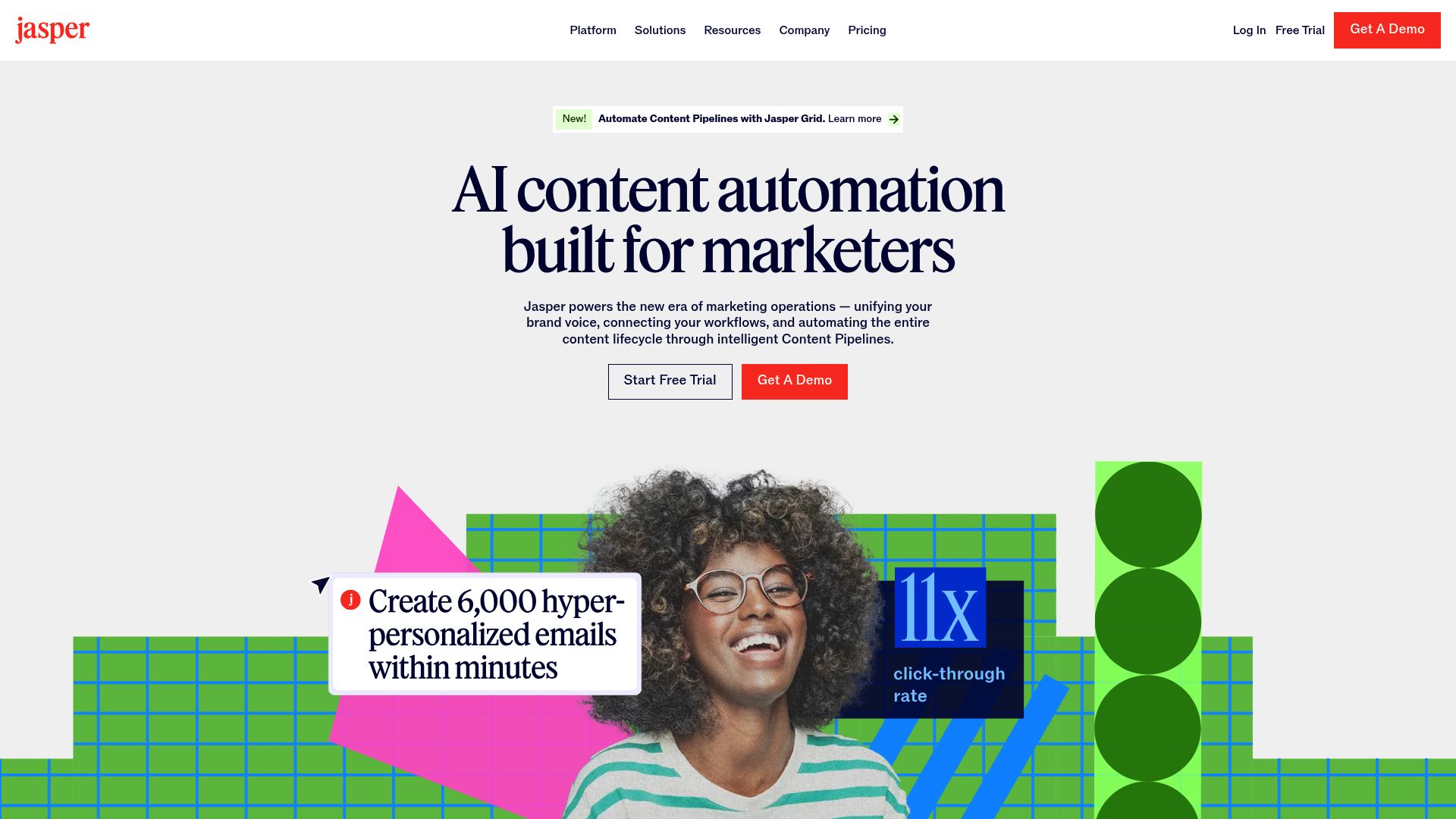
- Jasper (formerly Jarvis): A huge favorite among marketers, Jasper is fantastic at creating high-quality, long-form content while keeping a close eye on brand voice. It comes with tons of templates and a "Boss Mode" that gives you more direct control, and its integrations with SEO tools make it a solid all-rounder for content teams.
- ChatGPT: Developed by OpenAI, ChatGPT is a super versatile conversational AI that can write just about anything, from emails to tricky bits of code. Its knack for understanding context and generating prose that feels human makes it a killer assistant for brainstorming ideas, creating outlines, and even drafting whole articles.

📸 chat.openai.com
- Claude: A strong contender from Anthropic, Claude has become known for its huge context window, which lets it process and analyze really big documents. This makes it perfect for jobs like summarizing long reports or breaking down extensive research into content that’s easier to digest.
For Social Media and Visuals
Social media needs its own flavor of content, it has to be quick, visual, and engaging. There are several tools out there designed specifically for this kind of fast-moving world.
- Copy.ai: This platform is a great choice for whipping up short-form copy, like social media posts, ad headlines, and product blurbs. Its real power is in how fast it can spit out different creative options, which is great for marketers who want to A/B test their messaging.
- aiCarousels: Just like the name says, this tool is all about helping you create those cool, engaging carousels for Instagram and LinkedIn. It takes the pain out of the design process, helping you turn your ideas into slick, multi-slide posts in just a few minutes.
For Video and Multimedia Content
We all know video is king, but making it has always been pretty time-consuming and expensive.
AI is changing all that, with tools that can create and edit video content with surprising ease.

- Descript: This tool is a beast for anyone working with audio or video. Descript transcribes your media so you can edit it just by deleting words in the text. It's fantastic for cleaning up podcasts, editing webinar recordings, and pulling short clips from longer videos.
- Lumen5: This tool was specifically built to help turn blog posts and articles into slick, engaging videos. It uses AI to read your text, find visuals that match, and automatically create a video storyboard, which seriously cuts down on the time it takes to repurpose content.
- HeyGen & Synthesia: These platforms are leading the charge in AI avatar tech. They let you create professional-looking videos with realistic AI presenters just by typing out a script. This is an absolute game-changer for creating training materials, product demos, and marketing videos without needing a camera, crew, or a studio.
For SEO and Content Optimization
Making great content is one thing, but getting it to rank on Google is a whole other beast. Some tools are built just to help with that. While platforms like RobotSpeed have this baked in from the start, other tools can be a great addition to your tech stack to give your SEO a boost.
- Surfer SEO: This is one of the top content optimization tools out there. It looks at the top-ranking pages for your target keyword and gives you a detailed blueprint of what your article needs to include. It serves up data-driven suggestions on keywords, structure, and word count to help you climb past the competition. Understanding these SEO features is key, just like a developer would read through docs like the Shipfa.st SEO guide to get the technical side right.
- ContentShake AI: As part of the Semrush family, this tool helps you discover content ideas that have real traffic potential and then generate articles based on what's already working for your competitors. It’s a solid choice for anyone already using the Semrush suite of SEO tools.
Putting It All to the Test A Practical Approach
Reading reviews and comparing feature lists will only get you so far. The only way to truly know if you've found the best AI tool for content generation for your business is to get your hands dirty.
Pretty much every top-rated platform gets this, which is why most of them offer a free trial or at least a limited free plan. You should absolutely take full advantage of these offers to run a proper pilot project before you spend any money.
And don't just mess around with the fun features. Give it a real-world test that actually reflects your day-to-day work. For instance, if your main goal is writing blog posts, use the trial period to generate a full article on a topic that matters to your industry.
Take it through your whole workflow, from brainstorming and drafting to editing and formatting. How much time did you really save? How much editing did it take to get it to match your brand voice and quality standards?
While you're testing, really focus on the entire process. How easy is it to get the content out and into your CMS?
If the tool promises integrations, actually test them and see how smooth they are. As you size things up, think about the balance between cost and actual value.
We're seeing prices all over the map, from around $17-$60 a month for powerful writing tools like Jasper or Claude, to over $100 a month for high-end video platforms. The cheapest tool is almost never the best one.
Instead, you've got to focus on the return on investment. If a tool that costs a little more saves your team 10 hours a week, it’s giving you way more value than a cheaper one that just creates more editing work for you.
Industry-Specific Advice for Choosing a Tool
The "best" tool is really all about context; what's perfect for an e-commerce brand might be a terrible fit for a healthcare provider. So here’s a quick breakdown of how different industries can prioritize features to find what works for them.
For E-commerce Businesses
If you're running an e-commerce store, a lot of your content needs come down to scale. You might need to generate hundreds, if not thousands, of unique product descriptions, engaging copy for category pages, and even customer reviews.
You should be looking for ai powered content generation tools that offer bulk-generation features and can plug into platforms like Shopify or WooCommerce. Tools that have strong visual features for creating social media ads and promo videos are also a massive win.

For Real Estate and Local Services
In the world of real estate, descriptive and evocative writing is everything. You'll want to find a tool that's great at creating compelling property listings that can really paint a picture for potential buyers.
AI-powered video tools are also becoming a huge asset for creating virtual tours and neighborhood highlight reels.
And voiceover tools like ElevenLabs can add that professional narration to your videos, making them feel more polished and high-end. For any local business, whether it's real estate or a specialized health practice like the osteopath at juliendelhumeau-osteo.fr, the AI needs to generate content that connects with the local community and builds that all-important trust.
For Marketing Agencies
Agencies are always juggling multiple clients, which means workflow and collaboration features are absolutely critical. The best AI content generation tool for an agency has to have strong brand voice controls to handle all the different client tones. Look for platforms like Writer.com or the enterprise plans for Jasper that let you manage teams, share workspaces, and set up review workflows.
Being able to manage content for all your clients from one dashboard is a huge time-saver.

For the Health and Regulated Sectors
For any business in health, finance, or legal services, you can't mess around with compliance and data security. As you look at different tools, you have to really dig into their data policies and security features. Does the company promise compliance with rules like HIPAA?
Platforms like Writer.com make these controls a big focus. The content you generate has to be fact-checked with incredible care since misinformation can have very real consequences. In these cases, AI is best used as a helper for the first draft, with a human having the final say.
For Consulting Firms and Coaches
Consultants and coaches are in the business of selling expertise. Their content needs to radiate authority, confidence, and a unique perspective. The ability to really dial in the brand voice is crucial.
These pros should also look for tools that are great at repurposing content. An AI that can help turn one webinar or whitepaper into a dozen blog posts, a flurry of social media updates, and a video script is incredibly valuable.
For a consulting or coaching business, such as Timeless Coaching, the goal is always to amplify their expert voice across as many channels as possible, and AI can be a powerful partner in that effort.
You can see how the "best" tool really is different for everyone. It comes down to aligning the capabilities of the AI with the core mission of your business. Your consistent efforts to publish valuable content on your blog will be greatly enhanced by a tool that is perfectly suited for your niche.

Picking the right AI tool isn't about finding a single "best" platform, it's about finding the one that truly feels like an extension of your team. The whole journey starts with really understanding what you need.
By following the framework we’ve laid out, figuring out your use cases, checking against key criteria, shortlisting your options, and then testing them with real projects, you stop being a passive buyer and become an empowered decision-maker. You're no longer just following the hype; you're making a strategic choice based on what will actually make a difference for your business.
The market is packed with fantastic single-purpose tools for writing, making videos, or handling social media. They can be incredibly powerful when you stitch them together. But as your business grows, trying to manage a bunch of separate tools can become a headache all on its own.
This is why so many businesses are starting to lean towards more integrated platforms. It’s not just about creating a piece of content; it’s about following that content all the way to its final goal, whether that’s ranking on Google, getting a lead, or closing a sale.
This is the philosophy we built RobotSpeed on. We believe that true content automation isn't just about writing an article faster.
It's about streamlining the entire SEO content lifecycle, from generation and optimization to building the backlinks that give it authority. If you're tired of juggling a bunch of different tools and want to try a single strategy that links content creation straight to SEO results, we'd love for you to see how our platform works.
Let us help you turn your content efforts into a predictable engine for growth.
Frequently Asked Questions
What is the biggest mistake businesses make when choosing an AI tool?
Honestly, the biggest slip-up is getting wowed by cool features instead of focusing on what problem you actually need to solve. Businesses get excited by a long list of capabilities without first stopping to map out their core needs.
This often leads them to sign up for a complex, expensive tool where they end up using only 10% of the features.
Always start with your specific bottlenecks and workflow challenges, and pick a tool that tackles those directly.
Is content generated by AI good for SEO?
Yes, but there's a big "if" attached. AI-generated content can be fantastic for SEO *if* it's high-quality, relevant, genuinely helpful, and unique. Google cares about the quality of the content, not who or what created it.
So, if you use AI to crank out a bunch of shallow, repetitive, or unoriginal articles, it's going to backfire and hurt your rankings. But, if you use AI as an assistant to help you research, draft, and optimize truly valuable content that people are searching for, it can be an incredibly powerful and effective SEO strategy.
How much should I expect to budget for an AI content tool?
The cost is all over the map, depending on what it does. You can find simple, single-purpose tools for things like voiceovers or social media posts for as cheap as $5-$20 a month.
More powerful writing assistants and video generators usually fall somewhere in the $17-$60 per month range for an individual or small team.
And for the really comprehensive, enterprise-level platforms with all the bells and whistles like advanced collaboration and security, you could be looking at $100 per month or even much more.