
You have likely been there before. You look at your analytics dashboard and see the numbers climbing.
Traffic is up, impressions are rising, and your blog is getting readers.
But there is a problem. The revenue chart looks like a flatline. You are attracting window shoppers when you actually need buyers.
This brings us to the most critical aspect of modern digital marketing reducing the gap between a visitor and a customer. The solution often lies in how you deploy AI content for transactional keywords.
Many entrepreneurs and marketing agencies get caught up in creating educational "how-to" content. While that is great for brand awareness, it rarely pays the bills immediately.
Transactional keywords are the money makers.
We are going to dive deep into how you can leverage artificial intelligence to target these high-value terms effectively.
This guide is not just about theory. We will look at practical steps to help your business, whether you run an e-commerce store, a health clinic, or a real estate firm.

The Hidden Value of Transactional Intent
Let’s get straight to the point. Not all keywords are created equal. When someone types "what is SEO" into Google, they are looking for information.
They are studying.
However, when someone searches for "best AI SEO tool for small business," they have their credit card comfortably within reach.
This is transactional intent.
Creating AI content for transactional keywords means understanding that these users are at the bottom of the funnel. They have already identified their problem.
Now, they're actively hunting for a solution.
It's no surprise that industry data shows these keywords are a huge signal of someone's intent to buy.
You'll often spot them because they use words like "buy," "order," "book," "discount," or "get a quote." Nailing this intent is what gets you a real return on your SEO investment because you're finally talking to people who are ready to pull the trigger.
Honestly, high-volume traffic is just a vanity metric if it doesn't lead to sales. By shifting your focus to transactional terms, you might see a dip in overall traffic, but you'll probably see your conversion rates go through the roof.
It is about quality over quantity.
Why AI is the Game Changer Here
Writing sales copy is exhausting. It requires a persuasive tone, psychological triggers, and perfect structure. Doing this for hundreds of product pages or service descriptions is a nightmare for human teams.
This is where platforms like RobotSpeed come in. By automating the heavy lifting, you can generate highly optimized content at scale. We are talking about the ability to produce 30 articles a month that are specifically tuned to convert.
You know what is interesting?
AI does not get tired. It can maintain the same level of persuasive enthusiasm on the 100th product description as it did on the first.
How to Identify High-Intent Keywords
Before we start writing, we need to know what we are targeting.
You cannot just guess with transactional terms.
You need to use data to back up your strategy.
Tools like Ahrefs, SEMrush, or even Google's Keyword Planner are essential here. You are looking for specific signals.
Look for high cost-per-click (CPC) metrics. If advertisers are paying a lot of money for a keyword, it usually means that keyword generates sales. It is a shortcut to finding value.
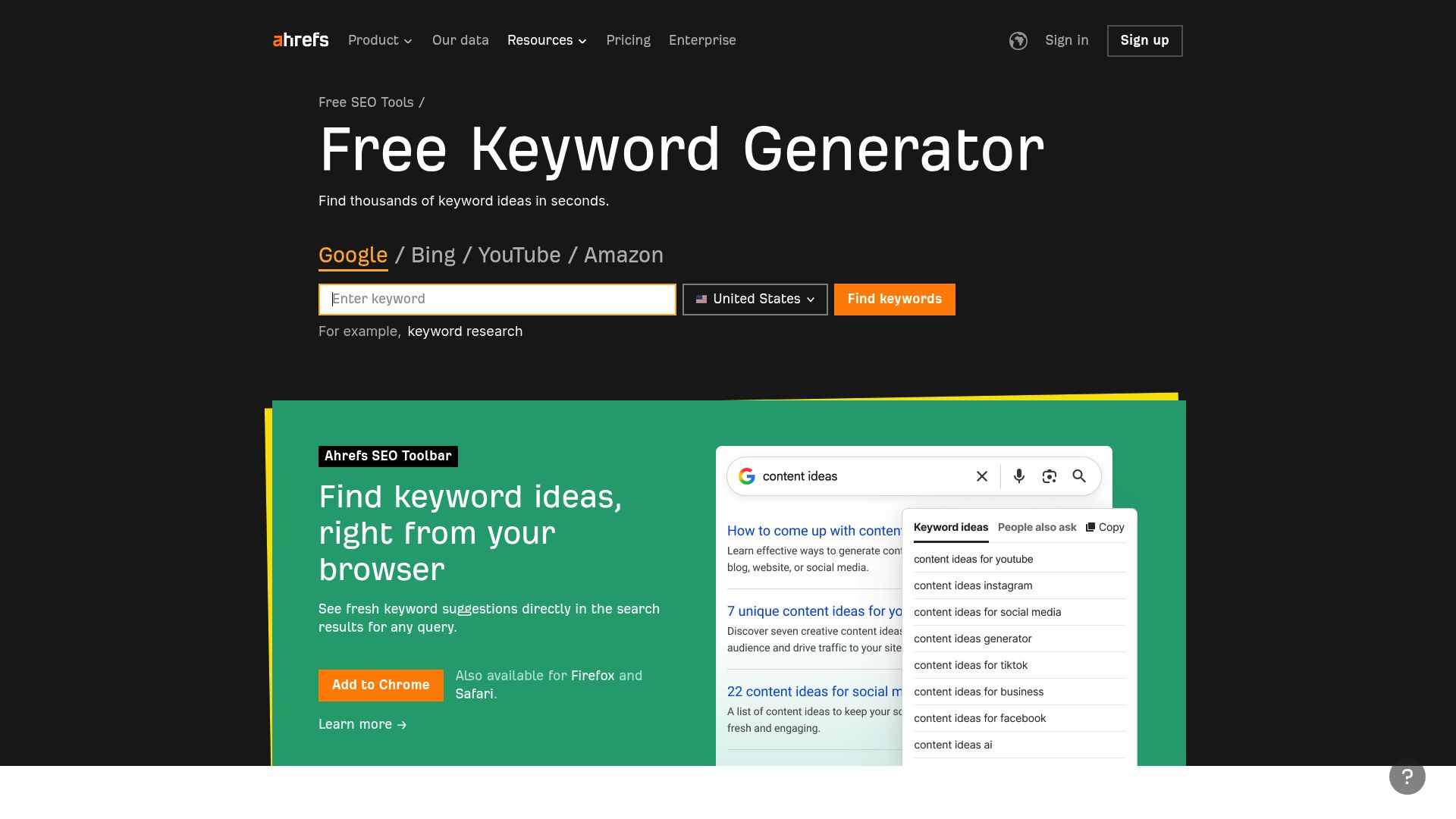
When researching, keeps an eye out for these modifiers:
- Price/Cost: "Consulting packages price," "dental implant cost."
- Location-based terms like "real estate agent near me," or "SEO agency London," and urgency triggers like "same day delivery" or "book appointment now."
- And don't forget comparison keywords that use "vs," "alternative to," or "best X for Y." This is where focusing on long-tail keywords can be a goldmine.
For example, focusing on long-tail keywords can be incredibly lucrative. Think about it: a broad term like "running shoes" is incredibly competitive. But "Buy Nike Air Zoom Pegasus women size 7"?
That's a query from someone who has their wallet out and knows exactly what they want.
Targeting these specific phrases increases your chances of conversion significantly. This strategy applies heavily to e-commerce and specialized B2B services.
Mapping Keywords to the Buyer's Journey
Once you have your list, you need to understand the context. You cannot simply stuff these words into a blog post and hope for the best.
That is old-school SEO, and it does not work anymore.
You have to map the keyword to the user's state of mind. Using AI content for transactional keywords allows you to adjust the tone and structure based on where the user is.
If someone searches "best CRM for real estate," they are comparing options. Your content needs to be a comparative guide or a "best of" list. If they search "RobotSpeed pricing," they are ready to buy.
Your content should be a pricing page or a clear sales letter.
AI tools can break this down efficiently. You can use AI to filter and cluster these keywords by intent, ensuring that you are not wasting resources writing informational content for a transactional query.
The Role of Content Clustering
Don't just create one page.
Create a cluster. Build a pillar page around your core service (e.g., "AI Content Automation") and cluster transactional posts around it (e.g., "Best AI tool for backlinks," "Automated content marketing pricing").
This signals to search engines that you are an authority on the commercial side of the topic, not just the theoretical side.
Leveraging AI for Persuasive Writing
Now we get to the core of the process: creation.
Many people think AI content sounds robotic. That is only true if you use generic prompts.
To get high-quality AI content for transactional keywords, you need to prompt with purpose. You are not asking the AI to "write a blog post." You're telling it to "write a high-converting landing page section that tackles customer objections head-on."
Here's the real secret: you have to feed it your Unique Selling Proposition (USP) in the prompt.
Pro Hint: When you're using an AI tool, be super specific.
List your product's benefits, spell out your audience's pain points, and even mention your pricing. The more context you provide, the more human and persuasive the AI's writing will be.
For regulated industries like the health sector, this is even more critical. You can train AI models (or use advanced settings in tools like RobotSpeed) to include necessary disclaimers and specific medical terminology while keeping the tone sales-oriented.
It creates a balance.
You get the speed of automation with the precision of a specialist.

Creating the Perfect Structure for Conversion
Having the right words is half the battle. But the words are only half the story; the page layout itself is just as important. When someone's ready to buy, your user experience (UX) needs to be completely frictionless.
Remember, you're optimizing for one thing: a click, a signup, or a purchase. So, let's break down how to structure your AI-generated content to make that happen:
1. The Hook and Value Proposition
You have to start strong. In the first two sentences, you need to confirm that you have the solution they're looking for.
So, if they searched for "fastest SEO tool," your opening line better be something like, "Discover the SEO tool that's so fast, it cuts your workflow in half."
2. Benefit-Led Headers
Avoid generic headers. Instead of "Features," use "How Our Automation Saves You 20 Hours a Week." Use your AI content for transactional keywords research to find what benefits matter most to your audience.
3. Clear Calls to Action (CTAs)
Don't be shy.
If the keyword is transactional, the user expects to be sold to. Place a CTA early in the content, in the middle, and at the end. Use bold buttons.
According to experts at LinkFlow, frictionless access to conversion actions is non-negotiable.
Keep your inquiry forms minimal.
Ask for an email, maybe a name.
Do not ask for their life story on the first date.
4. Trust Signals
It's simple: people buy from brands they trust. You can tell your AI tool to sprinkle in testimonials or snippets from case studies. Try prompting it to write a section titled "Here's Why 500+ Agencies Trust Us."
Stuff like that is social proof, and it works like a psychological shortcut, telling a potential buyer that others have made this choice and it was a safe bet.
Sector-Specific Strategies
Alright, let’s get specific and see how this approach applies differently across various industries.
The core concept of using AI content for transactional keywords is basically the same everywhere, but how you run the plays might look a little different.
E-commerce
For online stores, the biggest challenge is sheer volume. You might be dealing with thousands of products (SKUs).
Let's be real, you're not going to manually write a unique description for every single color and size of a t-shirt.
Strategy: Get AI to crank out unique descriptions for each product page, making sure to focus on those "buy" keywords.
You'll still include the boring tech specs (like size and material), but wrap them in copy that sells a benefit, like "Our breathable cotton keeps you cool on those summer runs."
Real Estate
In real estate, a "transaction" isn't a credit card swipe.
It's about getting a lead or a booking.
Here, your keywords look more like "schedule tour" or "homes for sale downtown." The best move?
Create hyper-local landing pages.
You can use AI to write detailed neighborhood guides that naturally lead to a strong call to action like "Book a Viewing Today."
And make sure to talk about local coffee shops and parks, the lifestyle benefits, not just the square footage. Now, the health sector is a different beast entirely, what Google calls a "Your Money or Your Life" (YMYL) space.
Here, trust is everything.
Your transactional keywords will sound like "book dental appointment" or "physiotherapy clinic near me."
Health Sector
This is a "Your Money or Your Life" (YMYL) category.
Trust is paramount. Transactional keywords here are "book dental appointment" or "physiotherapy clinic near me."
Strategy: You need to tell your AI to dial back the aggressive sales pitch. Instead, focus on showing empathy, highlighting professional credentials, and making the booking process feel effortless.
Don't forget to mention specific treatments and which insurance providers you work with. Okay, what about consulting and marketing agencies?
You're selling expertise.
Consulting & Agencies
Here, you are selling expertise.
These are often high-ticket services with a much longer sales cycle.
Strategy: A great tactic is using AI to create "Service Comparison" pages (e.g., "Our Agency vs.
Competitor"). You could also have it write in-depth white papers or case studies that people have to give their email to download. The transaction is the lead capture.

The Importance of Backlinks in Transactional SEO
Writing the content is step one.
Getting it to rank is step two. For competitive transactional keywords, you need authority.
This is where RobotSpeed creates a massive advantage. With 100 backlink credits provided daily, you can build the authority your sales pages need to outrank competitors.
Think of backlinks as votes of confidence. If credible sites link to your "Best AI Writing Tool" page, Google assumes your tool is actually the best.
Without links, even the best AI content for transactional keywords will struggle to reach page one.
Internal linking is also vital. Link from your high-traffic informational blog posts to your low-traffic transactional pages.
Pass that "link juice" to where the money is made.

Testing and Optimization
You cannot just set it and forget it.
The beauty of digital marketing is data.
You launch, you measure, you improve.
Use A/B testing.
Create two versions of a landing page using AI. One might have a long-form sales letter, the other a punchy, bullet-point list.
See which one converts users better.
Look at your bounce rates. If people land on your page and leave immediately, your content did not match their intent. Maybe your keyword was transactional, but your content was too vague.
Refine your strategy continuously. Let the AI learn from winning variations.
If a specific headline structure works for your "Blue Sneakers" page, replicate it for your "Red Sneakers" page.
Human Touch: The Final Polish
Look, even though we're all-in on automation, you can't forget the human touch. It's still absolutely necessary.
Think of AI as the engine; you're still the one in the driver's seat.
Always, always give your AI content for transactional keywords a final once-over.
You need to double-check for accuracy, especially with prices and technical details, and make sure the tone actually sounds like your brand.
It's funny, but sometimes the AI can be a little *too* perfect, you know?
It might miss the subtle inside jokes or local slang that really connects with your audience.
A quick review from a human editor can add in those little imperfections that, ironically, make the content feel more real and build a stronger connection.
And for those really high-stakes pages, like your main pricing page or your homepage, get the best of both worlds by combining AI's speed with a human's creative spark.
Let the AI churn out the drafts and different versions, and then bring in your best copywriter to polish the final hook.
Why Consistency Wins the Race
Here's the thing about SEO: it's a marathon, not a sprint.
You need to be publishing consistently to signal to search engines that your business is active and relevant.
This is the biggest hurdle for most businesses. They write five great articles and then stop for two months. That kills momentum.
Using a service that automates this consistency ensures you are always targeting new keywords. You are casting a wider net every single month. With RobotSpeed generating 30 articles monthly, you dominate the topical authority in your niche rapidly.
Imagine having 360 new entry points to your website by the end of the year.
Even if each page only brings in a few customers, the cumulative effect on your revenue is massive.
Conclusion
The digital landscape is crowded. To stand out and actually grow your business, you need to shift focus from just getting traffic to getting customers.
By mastering the creation of AI content for transactional keywords, you position your brand exactly where the buyers are. You solve their problems the moment they are ready to spend.
It combines smart research, intent mapping, and the sheer power of automation.
You don't have to do it all manually anymore.
Tools like RobotSpeed allow you to execute a Fortune 500 SEO strategy on an entrepreneur's budget.
Stop leaving money on the table.
Start automating your path to sales today.
Ready to transform your content strategy?
Try RobotSpeed today and start generating SEO-optimized content and backlinks with a single click.
FAQ
What are transactional keywords?
Transactional keywords are search queries that indicate the user is ready to make a purchase or perform a specific action. Examples include "buy running shoes," "sign up for newsletter," or "download SEO guide."
How does AI help with transactional content?
This guarantees consistency and helps you go after those obscure long-tail keywords that human writers, bless their hearts, just don't have time to chase.
Can AI content rank on Google?
Of course it can. Google doesn't care who or what wrote the content.
It ranks pages based on quality, relevance, and how helpful they are (what SEOs call E-E-A-T).
As long as the content you generate with AI actually gives the user what they're looking for and provides real value, it has just as good a shot at ranking as anything written by a human.
How often should I post new content?
In the world of SEO, consistency is everything. When you post regularly, it sends a strong signal to search engines that your site is alive and kicking.
That's where services like RobotSpeed come in, helping you keep up that pace by generating 30 fresh articles every month to keep your site feeling relevant and authoritative.