
You probably think a full SEO audit requires days of work and a team of specialists. Many entrepreneurs and marketing managers feel overwhelmed just thinking about it.The good news is that you don't need a massive project to get a clear picture of your website’s health.Honestly, you can learn a lot in just 10 minutes. A quick, focused review can reveal the most pressing issues and opportunities, giving you a solid foundation for your next move. This is how you can begin to effectively check your website SEO performance without getting lost in endless spreadsheets and technical jargon.It's about being smart and efficient, focusing on the metrics that truly matter.The entire process boils down to looking at four core areas. These are your search engine visibility, your organic traffic patterns, your site's technical performance, and your on-page content optimization. By using a few simple and often free tools, you can quickly diagnose what’s working and what is not.This approach is perfect for busy entrepreneurs, e-commerce store owners, and even established consulting firms who need actionable insights without the hefty time commitment. A good `site seo` audit isn't about finding every single tiny flaw.It is about identifying the biggest levers you can pull to drive meaningful results for your business, whether you're in real estate or the competitive health sector.Think of this as a regular health checkup for your website. Just as you wouldn't wait for a major crisis to see a doctor, you shouldn't wait for your traffic to plummet before checking your SEO.We're going to walk through a straightforward process that strips away the complexity.Forget the confusing reports and the paralyzing amount of data. Instead, let's focus on a handful of powerful checks that give you an immediate and useful snapshot of where you stand right now. This is your starting point for building a stronger, more visible online presence that attracts the right audience and supports your growth.
How to Check Your Google Rankings and Visibility
Your website’s visibility is the first critical metric to examine. This isn’t just about where you rank for a single keyword; it's a broader measure of your overall presence in search engine results. You need to know if your digital footprint is growing or shrinking.Using a visibility score helps you see the bigger picture beyond daily ranking fluctuations for individual terms. This high level view tells you if your overall strategy is moving in the right direction and making your brand more prominent online.Tools designed for this purpose can give you an instant assessment. Platforms like Semrush offer a specific "Visibility" index that tracks your site's overall search engine presence against a set of keywords. As outlined in their own resources, this metric is fantastic for monitoring progress and comparing your digital shelf space to that of your competitors. You can also use Seobility’s SEO Checker to get a quick visibility score. It’s a simple way to benchmark your efforts and see if your hard work is paying off in the search results.
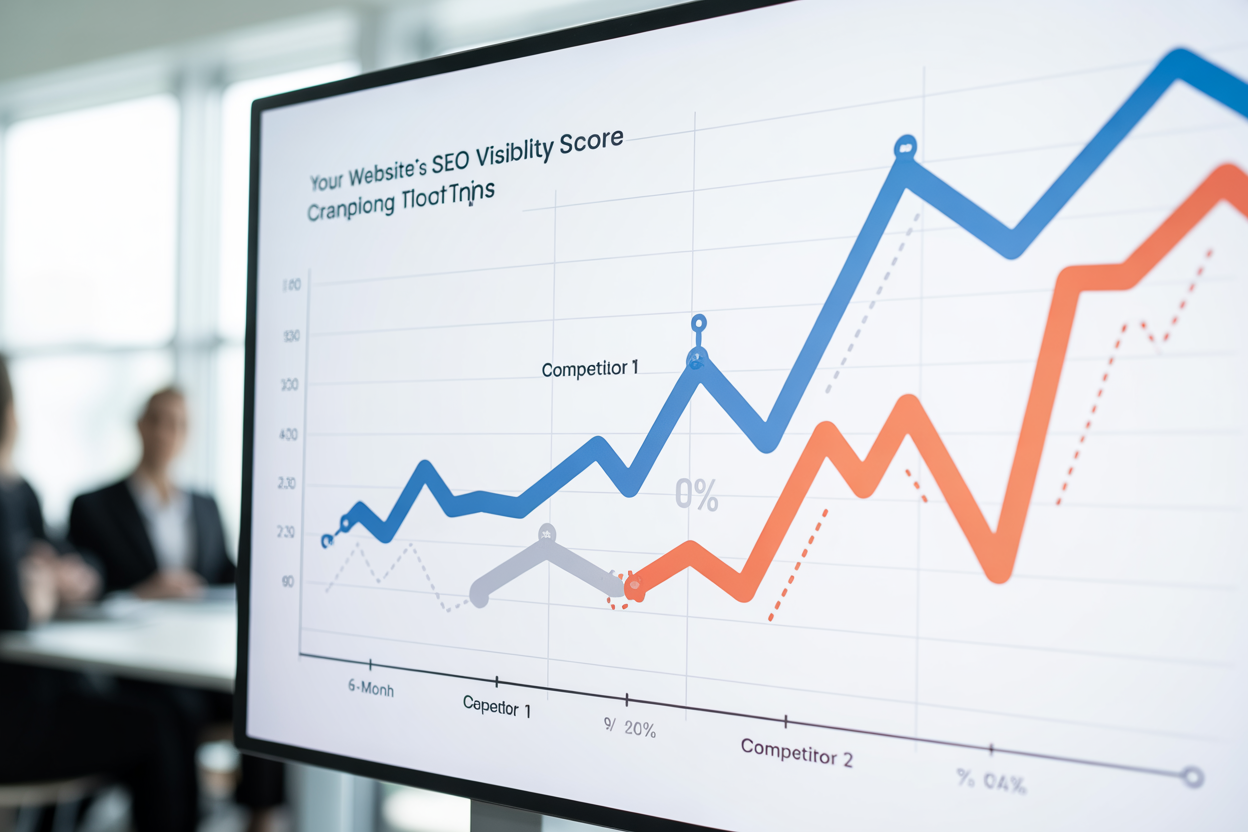
For a free yet incredibly powerful option, nothing beats Google Search Console. It’s your direct line of communication with Google. Inside, you can see the exact queries that are bringing users to your site.This is invaluable information. According to insights from a guide on measuring SEO success, understanding these user queries is fundamental to knowing how your pages are actually performing.Are you ranking for the terms you intended to?
Or are you getting traffic from unexpected keywords?
This is the starting point for any effective `seo check page` analysis. It's truly the foundation of a solid step-by-step SEO audit.
Digging into Your Organic Traffic Data
Rankings are a great start, but they don't pay the bills. The real goal of SEO is to drive qualified organic traffic, meaning visitors who arrive from unpaid search results. This traffic represents potential customers actively looking for the solutions you provide.That's why analyzing your organic traffic numbers is the second pillar of a quick SEO check. It directly connects your search visibility to actual business opportunities, showing you whether your content is just visible or truly attracting an audience.Google Analytics 4 (GA4) is the perfect tool for this job. You can easily isolate your SEO-driven traffic by navigating to "Reports," then "Acquisition," and finally "Traffic acquisition," where you can filter the data to show only "Organic Search. " As Semrush highlights, looking at this trend over time is crucial.A steady, upward curve in organic visitors is a clear sign of a healthy SEO strategy.On the other hand, a sudden, sharp drop is a major red flag that could signal a technical problem, a content issue, or even a Google penalty that needs immediate attention.
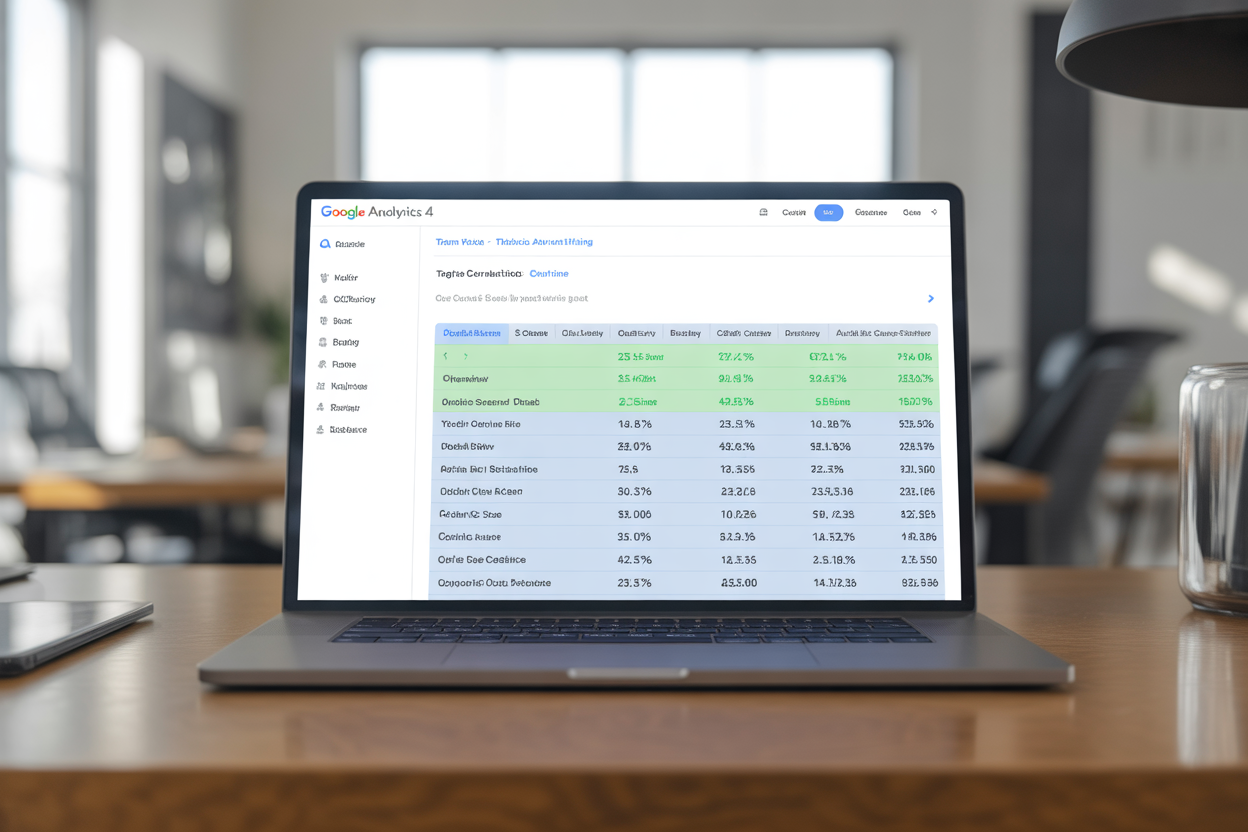
Your own traffic data tells only half the story. To truly understand your performance, you need context.This is where competitive benchmarking comes in.Tools like Semrush's Traffic Analytics allow you to estimate the organic traffic of your competitors. This comparison can reveal gaps in your own strategy.Perhaps a competitor is getting significant traffic from a topic you haven't covered yet.For an e-commerce business, this might uncover a new product category to explore.For a consulting firm, it might highlight a valuable service-related keyword you're missing out on.
Why Your Site Speed and Technical SEO Matter
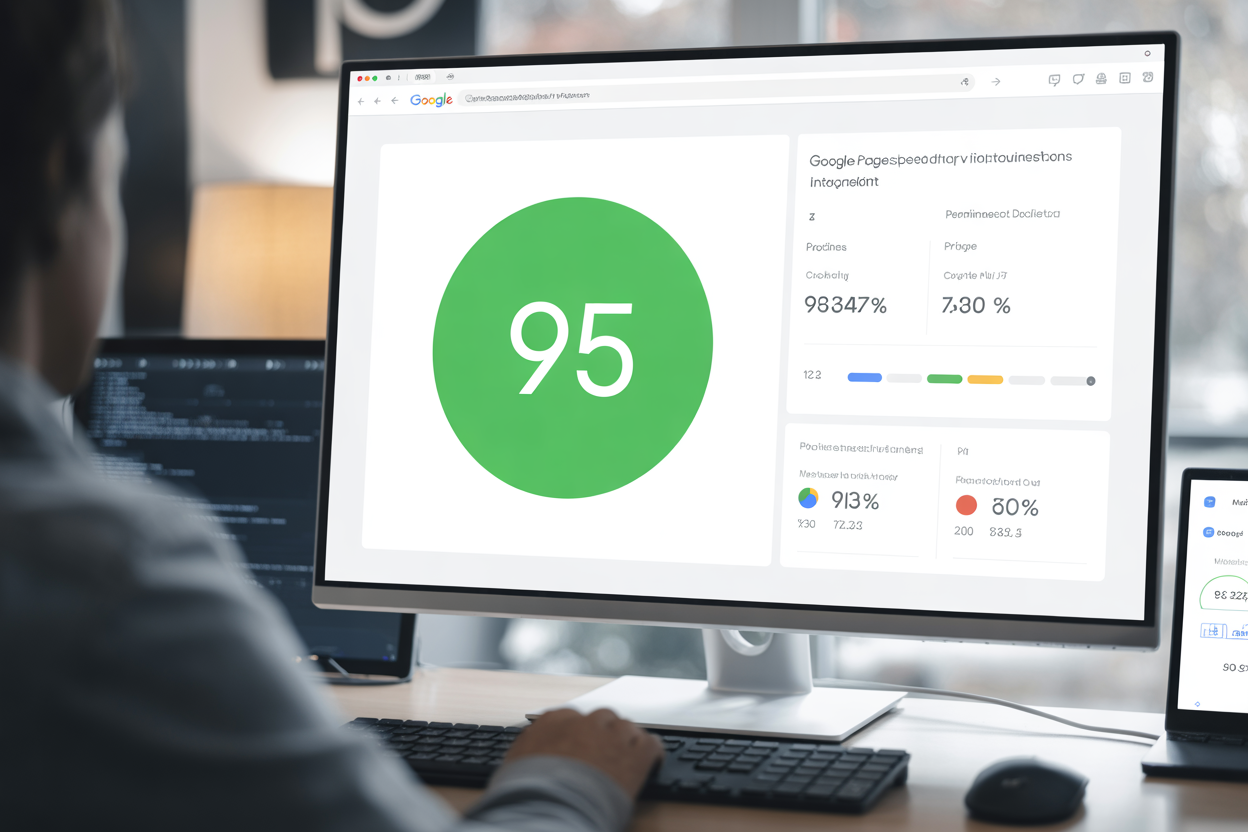
Here's something everyone can agree on, a slow website is incredibly frustrating. Site speed is no longer just a technical detail; it is a critical component of both user experience and SEO. Google has made it very clear that it prefers to rank websites that load quickly.This is why the third step in your 10 minute audit is to test your site's technical performance, starting with its speed. It's a simple check that has a huge impact on how both users and search engines perceive your site.The best place to start is with Google's own PageSpeed Insights tool. It analyzes your website's loading performance on both mobile and desktop devices and provides a score from 0 to 100. More importantly, it gives you actionable recommendations to make your site faster.According to various online checkers like the Google SEO Checker, a score above 90 is considered excellent and indicates your site is in good technical health.For businesses with image-heavy sites, like real estate agencies or health blogs, this tool will almost certainly highlight image optimization as a top priority for improving speed.Technical performance goes beyond just speed. To get a broader view, you can use comprehensive tools that scan for a wide range of technical SEO factors. For example, both Seobility’s SEO Checker and the aforementioned SEO Review Tools checker scan for over 200 criteria. They look at things like your server's response time, your site's mobile-friendliness, and whether your security is set up correctly.Having a full spectrum of SEO tools at your disposal can make these technical checks much more efficient and thorough.
A Quick On-Page SEO Check for Your Website
Now for the last piece of this quick audit: on-page optimization. This just means quickly scanning the content and basic HTML on your pages to see if they're lined up to rank for their target keywords. You've got to communicate clearly with search engines.While technical SEO gets your site in the door so it can be crawled, on-page SEO is what helps Google figure out what each page is actually about and why it's worth ranking. This is where you can make a `seo check page` by `seo check page` difference.To do this quickly, automated tools are your best friend. An on-page checker will instantly review your most important elements.This includes your meta tags, like the title tag and meta description that appear in search results, as well as your heading structure (H1, H2, etc.) and your use of internal and external links. The Seobility SEO Checker is a great example, as it provides an overall optimization score and a detailed list of errors.According to their scoring system, a score above 80% suggests your page is well-optimized, while anything under 30% points to critical issues needing immediate attention.On-page optimization is not just for bots however. It heavily influences user behavior. A compelling meta title and description can dramatically improve your Click-Through Rate (CTR) from the search results page.As experts at Logic Digital explain, you should regularly check your CTR in Google Search Console.If a page ranks highly but has a low CTR, it's a strong signal that your snippet isn't grabbing users' attention. A quick rewrite of the title or description could lead to a significant increase in traffic without any change in rankings. A proper `seo-analyse`, as our friends at UNIT62 would call it, always connects technical elements with user engagement.
Putting It All Together for Better SEO Performance
You can see how a rapid yet powerful audit is entirely possible. By focusing on these four key areas which are visibility, traffic, technical health, and on-page optimization you empower yourself with a clear and actionable understanding of your website's SEO health.This is not about getting bogged down in minor details.It's about building a consistent habit of checking in on your performance, so you can spot trends, fix issues before they become crises, and capitalize on new opportunities as they arise.Regularity is what transforms these checks from a one-time task into a strategic advantage. We recommend performing this 10 minute audit at least once a month or after any significant change to your website.Over time, you’ll start to see patterns.You'll understand how a piece of content impacts your organic traffic or how a technical fix improves your PageSpeed score. As you get more comfortable, you can start looking at deeper engagement metrics like dwell time and conversions in GA4, which Semrush suggests are the next step in gauging content quality.This shows you are not just attracting visitors, but visitors who find your content valuable.Now, here’s the most important part.After you identify these issues, what's next?
An audit reveals what needs to be fixed, but the real work lies in the fixing itself. The two most powerful levers for improving your SEO performance are consistently publishing high-quality, optimized content and building authoritative backlinks.This is often the most time-consuming part of any SEO strategy.It requires research, writing, and outreach, which can be a significant drain on resources for any business. This is precisely where automation can become your greatest ally. Instead of spending dozens of hours each month on manual content creation and link building, you can leverage technology to do the heavy lifting for you.Ready to move from diagnosing problems to actively solving them at scale?
RobotSpeed is an AI-powered platform designed to automate the most critical and labor-intensive parts of SEO. We generate 30 expertly crafted articles for your website every month and provide you with 100 new backlink credits daily. Stop letting a lack of time hold your SEO performance back.It's time to accelerate your results with intelligent automation. Explore RobotSpeed today and see how we can transform your content and backlink strategy.