
Look, for business owners, staying informed isn't just good practice anymore, it's a full-on survival skill. The world is moving incredibly fast, and what happens one day can send ripples through markets, supply chains, and how customers act in ways you'd never see coming.
If you're an entrepreneur, running a marketing agency, or leading a team in e-commerce or real estate, you absolutely have to understand these shifts. It's not enough to just know what happened; you have to grasp what it means for your strategy, your customers, and, ultimately, your bottom line.
You've got to be able to connect the dots between something like an earthquake halfway across the world and your inventory levels, or a new public health rule and the message you're putting out there.
Just look at September 1, 2025, it’s a perfect case study.
In just 24 hours, the world saw everything from devastating natural disasters and major public health shake-ups to rising tensions between countries. Every one of these events, though different, holds a lesson for any business trying to stay nimble and tough.
It's a lot to take in, and the sheer amount of information can feel overwhelming.
But how do you cut through all that noise to find the signals that actually matter?
How do you turn a world headline into something you can actually use for your business?
And this is where smart content becomes your secret weapon.
When you consistently break down and talk about what’s happening in the world, you start to position your brand as a voice people can trust. You show that you get the bigger picture that your clients and customers are dealing with. Think of this article as a snapshot of that day.
We're going to dig into the big events of 2025-09-01 and, more importantly, break down what they actually mean for you. We’ll get into the details, using solid reporting to paint a clear picture of a world on the move and show you how your business can steer through it.
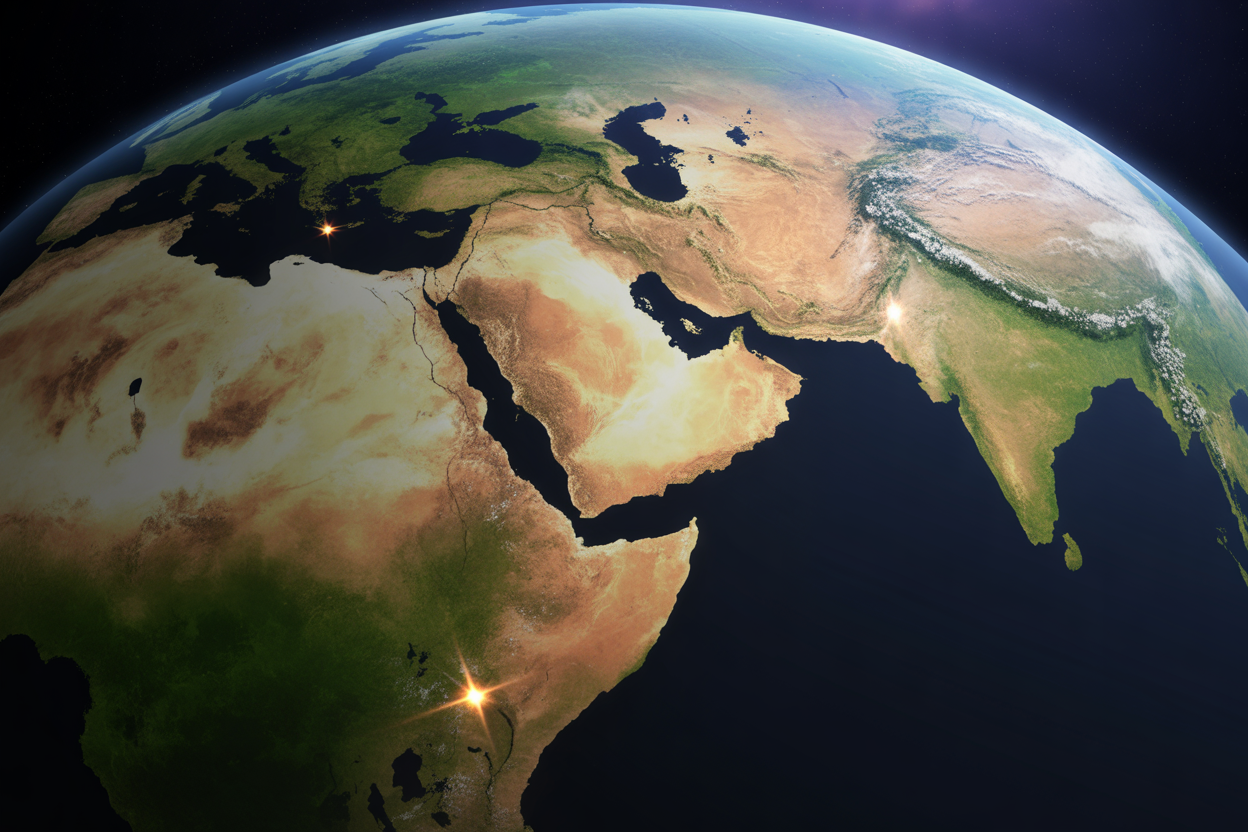
The Human and Economic Cost of Global Crises
September 1, 2025, was a harsh reminder of just how fragile our interconnected world really is. In Afghanistan, rescue efforts were in full swing following a catastrophic earthquake in Nangarhar Province.
As recovery operations advanced, reports confirmed that the death toll had tragically climbed to 2,205, with hundreds more being discovered. The sheer scale of this humanitarian crisis is a somber reminder of nature's power and the profound impact on communities. The event dominated international news, with broadcasters like ABC World News Tonight providing ongoing coverage of the recovery efforts.
Then, thousands of miles away in a packed city, a completely different kind of crisis was unfolding.
A double-decker bus crashed near London's Victoria Station, an event that resulted in 17 injuries and sent 15 people to the hospital.
Even though it wasn't a natural disaster, the crash threw a major global hub into chaos. For any business owner, these events might seem unrelated, but they all point to the same thing: we're all vulnerable. Think about it: an earthquake in the wrong place can completely break a supply chain, hitting everyone from an e-commerce shop waiting for products to a factory that needs raw materials.
And a major crash in a city like London?
That can create logistical nightmares and is a clear sign that you need a solid backup plan.
Look, the real takeaway here for entrepreneurs and consultants isn't just about risk, it's about being resilient and knowing how to communicate.
How does your business react to unforeseen disruptions?
E-commerce leaders must think about supply chain diversification, while real estate businesses should consider geographical risk assessment.
For marketing agencies, these events are a masterclass in crisis communication, highlighting the need for sensitive, timely, and authentic messaging when the unexpected happens.
Navigating Public Health Shifts and Global Outbreaks
Public health became a major hot topic on the very same day. In a major policy change, Florida announced the formal elimination of all vaccination mandates. This decision included the removal of long-standing requirements for school and childhood vaccinations against diseases like measles and polio, sparking a widespread and often heated public discussion.
For any business in the health world, this was a huge shift in public health strategy, one with massive consequences for community wellness and policy. The whole debate also turned into a masterclass for marketers and consultants on how to handle issues that split public opinion right down the middle.
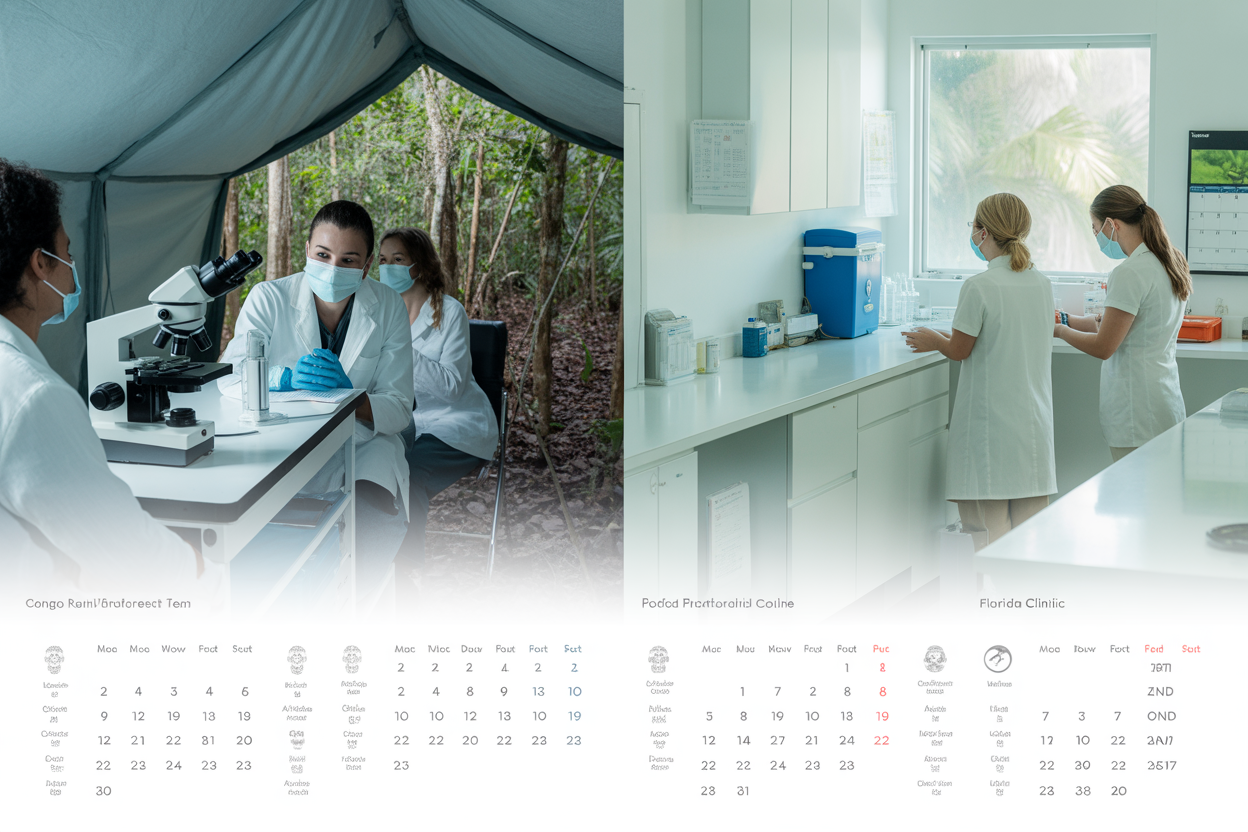
At the same time, another health crisis was popping up on the world stage when the Democratic Republic of the Congo officially declared a new Ebola outbreak in Kasaï Province.
Health officials quickly found 28 suspected cases and confirmed 15 people had died from the deadly Zaire strain. That news instantly set off alarm bells about global health security, the possibility of travel restrictions, and the huge challenge of trying to contain an outbreak in such a vulnerable place.
If your business has overseas operations or employees, especially in Africa, this was something you had to pay attention to right away.
These two events, though different in nature, highlight how quickly the public health landscape can change.
They force businesses to be proactive and informed. Whether it’s adapting human resource policies in response to new local health regulations or adjusting international business travel for safety, staying ahead of these trends is essential. It's not just about compliance; it's about showing your employees and customers that you are actively prioritizing their well being in a complex health environment.
Geopolitical Flashpoints and Diplomatic Disputes
The world of international relations was anything but quiet on September 1, 2025, with several disputes flaring up. In a significant escalation of regional tensions, Mali filed a lawsuit against Algeria at the International Court of Justice.
Mali claimed its neighbor shot down a Malian military drone and was getting in the way of its fight against rebel groups in the Mali War. This legal move signaled a serious deterioration in diplomatic relations, with potential consequences for stability across North and West Africa, a region critical for various global resources.
Meanwhile, in Eastern Europe, an espionage row deepened the rift between Belarus and Poland. Belarusian authorities detained a Polish national and one of their own citizens on spying charges, claiming the individuals possessed documents related to the "Zapad 2025" military exercises.
Things like this are textbook examples of geopolitical friction that can make international businesses nervous, sparking worries about cybersecurity, the safety of employees overseas, and whether it's even smart to invest in the region.

Further afield, the United States took decisive action to support a key ally in its fight against organized crime.
The U.S.
government officially designated the Ecuadorian cartels Los Choneros and Los Lobos as terrorist organizations. Alongside this designation, Secretary of State Marco Rubio pledged significant security aid, including $6 million for drones and $13 million in broader support for Ecuador's Navy. This move shows you exactly how international partnerships are taking shape to fight threats that cross borders, which creates both problems and opportunities for companies in security, logistics, and tech.
How We Process News and Why Credibility Matters
So, how are we supposed to make sense of everything?
Well, the way we get our information is just as important as the news itself. On a day like September 1, 2025, millions tuned into broadcasts like ABC’s Good Morning America and other major networks for live reporting and expert analysis on everything from energy policy to sports highlights.
At the same time, digital resources like the Wikipedia current events portal work to aggregate information from wire services like AP and Reuters, providing a documented, citable overview of what’s happening.
Here's the thing, the credibility of these sources is their most valuable currency. In a world flooded with misinformation, audiences gravitate toward trusted voices. As explained by academic resources, the foundation of credible research lies in using peer-reviewed studies and verified primary sources.
That’s not just some stuffy academic rule; it’s basically the golden rule of good content marketing for any business. When you put content out there, you're asking people to trust you.
You earn that trust by citing good sources and offering insights that you've actually researched. Without that foundation, your content is just adding to the noise.
You know, building real authority takes time and a real commitment to quality, the best brands in digital marketing get this.
They basically act like their own little media outlets, constantly putting out useful, informative stuff that helps their audience figure out complicated topics.
Let's be real, that's a huge challenge, especially if you're working with a small team at a startup, a consulting firm, or an e-commerce shop.
But you know what's interesting?
That's the exact problem modern tools are built to solve, they bridge the gap between needing great content and actually having the resources to make it.
From Information Overload to Strategic Advantage
Trying to wrap your head around everything that happened on a day like September 1, 2025, can feel like you're drinking from a firehose. There was a horrible earthquake, a huge change in public health policy, an Ebola outbreak, and a bunch of complicated political squabbles.
For any entrepreneur or marketing leader, it all boils down to one question: what am I supposed to do with all this information?
Ignoring it isn't an option, as global shifts directly or indirectly influence every market. Yet, manually tracking, analyzing, and then creating relevant, SEO-optimized content around these developments is a full-time job in itself.
This is the modern content marketing dilemma.
You need to be a part of the conversation. You need to publish consistently to maintain your search engine rankings and engage your audience.
Your content has to be timely, relevant, and trustworthy. Honestly, doing this well is what separates the businesses that kill it online from the ones that just tread water.
It’s how you build trust with your clients, whether you're a marketing agency trying to prove you know your stuff or an e-commerce brand connecting with what your community cares about.
The problem isn't that there's not enough information, it's that there's not enough time or resources to turn it into something you can actually use.
But what if you could automate the hard part?
Imagine clicking a button and getting a whole month's worth of great, SEO-friendly articles, all while building your site's authority with a constant flow of backlinks. This isn't some futuristic dream; it's literally what we do at RobotSpeed. Our AI platform was built for busy entrepreneurs and agencies who need to get serious SEO results without all the manual work.
We give you the content and the credits to not just keep pace with the world, but to get ahead of your competition.
Ready to turn information overload into your competitive edge?
Explore RobotSpeed today and discover how our one-click content and backlink automation can revolutionize your digital marketing strategy.