
Trying to figure out your competitors' SEO strategy can feel like you're fumbling around in the dark, right?
You see other businesses in your niche crushing it on Google, snagging traffic that should be yours, but you can't quite nail down *why* they're always ranking on top. Let's be real, it's more than just annoying. It's a huge roadblock for entrepreneurs, a never-ending headache for marketing agencies, and a real threat to the bottom line whether you're in e-commerce, health, consulting, or real estate.
The truth is, a structured, data-driven approach to competitive analysis is the key to turning this around. Learning how to analyze your competitors SEO strategy is not about blind imitation. It’s all about gathering some strategic intel.
You need to break down what’s working for them, spot their weaknesses, and, this is the big one, find those golden opportunities they've completely overlooked. Once you reverse-engineer what makes them successful, you can finally build an SEO roadmap for your own brand that's tougher, smarter, and way more effective.
Suddenly, the path forward gets a lot brighter, and you know exactly where to put your time and money to get the biggest bang for your buck. It gets rid of the guesswork and gives you a clear, actionable plan.
That's exactly what this guide is for, we'll walk you through the whole framework, step by step.
We're not just giving you some surface-level tips here; we’re diving into a deep, actionable workflow. But we have to talk about the elephant in the room: doing the analysis is only half the battle. Honestly, all those brilliant insights are useless if you don't act on them.
And trying to execute at the scale you need to actually compete?
It can feel like a monumental task. Just think about the sheer amount of content and backlink outreach it takes, it's enough to burn out even the most dedicated teams.
This is exactly where new solutions, especially ones using AI and automation, are completely changing the game. They turn your strategy into real-world results faster than ever before.
Keep that in the back of your mind as we dig into what it takes to build and execute a winning SEO plan.

Identifying Your True SEO Competitors
The first step in learning how to analyze your competitors SEO strategy is to correctly identify who you are actually up against. Here's a common misconception: your business competitors are not always your SEO competitors.
A local consulting firm might compete for clients with another firm across town, but online, they might be competing for keyword rankings with a national industry blog, a software provider, and even Wikipedia.
Leading SEO resources like Semrush put it best: an SEO competitor is simply any website that shows up in the search results for the keywords you’re trying to rank for.
So, where do you find these online rivals?
First, you've got to look past your usual business competitors and let the data tell you who you're really up against. Kick things off by jotting down your top 10 to 20 keywords, the phrases you're pretty sure your ideal customers are typing into Google.
Then, pop those terms into a good SEO platform to see who's consistently hogging the first page.
A lot of tools have great features like "keyword overlap" or "competing domains" that will instantly spit out a list of websites that are after the same keywords you are. Honestly, this data-first approach often uncovers competitors you never even thought of, which gives you a much more realistic view of what you're up against.
If you're running a marketing agency or an e-commerce shop, this isn't just a nice-to-have; it's fundamental.
An agency can even run this analysis for a new client to show immediate value and map out the battlefield. For an e-commerce store selling running shoes, their SEO competitors might include not just other shoe stores, but also content publishers like Runner's World or health and fitness blogs that review athletic gear. Recognizing this broadens your strategic perspective, showing you the full spectrum of content and authority you need to build to truly dominate the search results.

How to Analyze Your Competitors SEO Strategy Through Keywords
Alright, once you've got a solid list of your real SEO competitors, the next crucial step is to pick apart their keyword strategy. Look, this goes deeper than just listing the keywords they rank for.
You need to understand the *why*, the user intent, the focus, and the strategy behind their choices. After all, top websites almost never rank for just a few keywords.
In fact, Ahrefs has a great insight on this: the average page that ranks #1 for a keyword also ranks for nearly a thousand other related terms. What does this tell us?
Google loves really deep, comprehensive content, and you can bet your competitors are taking full advantage of that.
When you dig in, you'll want to find their "money" keywords, the ones that are clearly driving sales, but don't forget the informational keywords that pull people in at the top of the funnel.
Most SEO tools can run a "top keywords by domain" report, which is a goldmine for seeing exactly which terms are sending the most traffic to your competition.
Start looking for patterns.
Are they going all-in on long-tail keywords with less competition?
Or are they aiming for those big, high-volume terms?
Figuring this out helps you get a feel for their whole game plan, is it aggressive and broad, or super niche and targeted?
But the real prize here is finding the keyword gaps.
These are the relevant, high-intent keywords that your competitors are ranking for, but you are not. Similarly, there are content gaps, which are entire topics that your audience is searching for, but none of your competitors have adequately covered.
As folks over at Conductor point out, these gaps are pretty much your lowest-hanging fruit. When you create way better content for these neglected keywords, you can slide right into the conversation and start grabbing traffic without a huge fight. A real estate agent, for example, might find that rival realtors have totally ignored a topic like "first-time homebuyer mistakes in [city]," which is a perfect opening.

Assessing Competitor Content Strategies and Gaps
Think of it this way: keywords give you the map, but your content is the actual car that gets you to the top of the search rankings. Digging into your competitor's content is, without a doubt, the most important piece of the puzzle if you want to understand why they're successful.
You have to look beyond the words on the page to see the strategic moves they're making, the choices that make their content a hit with both actual people and Google's algorithms. Get in there and do a deep dive. I promise you'll start to see patterns and find openings you can use for your own strategy.
Deconstructing Content Formats and Structure
Take a close look at the *types* of content your competitors are actually making. What's ranking for them? Is it massive blog posts, detailed case studies packed with data, interactive online tools, or landing pages filled with videos?
If you're in e-commerce, that could mean studying how your competitors lay out their product and category pages. If you're a consultant, maybe it's checking out the structure of their white papers and big-idea articles. And don't forget to pay attention to how they're using things like images, infographics, and embedded videos to keep people on the page longer.
Trust me, these format choices aren't random, they're picked specifically to match what the searcher is looking for.
Evaluating Content Quality and E-E-A-T
But it's not just about format. You have to judge their content quality using Google's E-E-A-T framework: Experience, Expertise, Authoritativeness, and Trustworthiness.
This is a really big deal in high-stakes industries like health and finance. Ask yourself: does this content show they've actually *done* this stuff?
Is it written by someone who knows what they're talking about, with real credentials?
Is the info correct, backed up by facts, and current?
Check out how deep the content goes. Does it just skim the surface, or does it give someone a complete answer that truly solves their problem? Really good content doesn't miss a thing.
Finding and Exploiting Content Gaps
When you analyze this deeply, you'll naturally start finding the gaps in their content. Maybe you spot a competitor's popular article that's super outdated, badly written, or just plain shallow. That, my friend, is a golden opportunity.
It’s the whole idea behind the "Skyscraper Technique," which Brian Dean from Backlinko made famous. The game plan is simple: find a piece of content that's already doing well, figure out what's wrong with it, and then create something way better, something more thorough, with a slicker design, and totally up-to-date. By creating a superior asset, you create a powerful argument for why your page deserves to outrank the original.
This is where having a system to create content at scale gives you a huge leg up, because you can just go down the list, identifying and filling these gaps all over your industry.
Evaluating Competitors’ Backlink Profiles
Backlinks are the currency of authority on the web. Every single link pointing from another website to your competitor's page is like a thumbs-up, telling search engines, 'Hey, this content is legit, valuable, and trustworthy.' Think of a competitor's backlink profile as a treasure map. It shows you exactly which content pieces hit it big, who they're connected with in the industry, and how they promote their stuff.
And the data backs this up.
A famous study from Backlinko found that the #1 result in Google has, on average, 3.8 times more backlinks than the pages ranking from two to ten. That one stat alone tells you that analyzing backlinks isn't optional.
The process begins with using a backlink analysis tool to export a list of all the domains linking to your top competitors. Don't just look at the quantity of links; focus on the quality.
Are they earning links from high-authority news sites, respected industry blogs, or educational institutions?
Or are their profiles bloated with low-quality directory and forum links?
This analysis will quickly tell you which of their content assets are "link magnets" and attract the most authority.
It’s a great way to see what kind of content really hits home with people in your specific niche.
Once you have this intel, you can start building a real outreach plan. A killer tactic is to find sites that are linking to your competitor's outdated or just plain worse content.
Then you just reach out, show them your new and improved version, and politely suggest they swap out the old link for yours. This strategy, sometimes called 'broken' or 'reclamation' link building, works like a charm. The only problem?
Trying to manage this for hundreds of potential sites is a massive time-suck.
It's the perfect job for automation tools that can spot these opportunities and even help manage the outreach, giving you a huge competitive advantage by turning a manual grind into a system that scales. If this approach sounds good to you, platforms offering backlink automation solutions can make getting it done a whole lot easier.

Inspecting Competitors' Technical SEO Health
If content is the engine and backlinks are the fuel, then technical SEO is the chassis and transmission that holds everything together and delivers power efficiently. Here's the thing: a competitor can have amazing content and tons of backlinks, but if their site is slow, looks terrible on a phone, or is a maze for search engine crawlers, they're never going to reach their full potential. That's why checking out your competitor's technical SEO health is so important, it can expose some core weaknesses you can use to get a quick leg up.
You'll want to check a few key things.
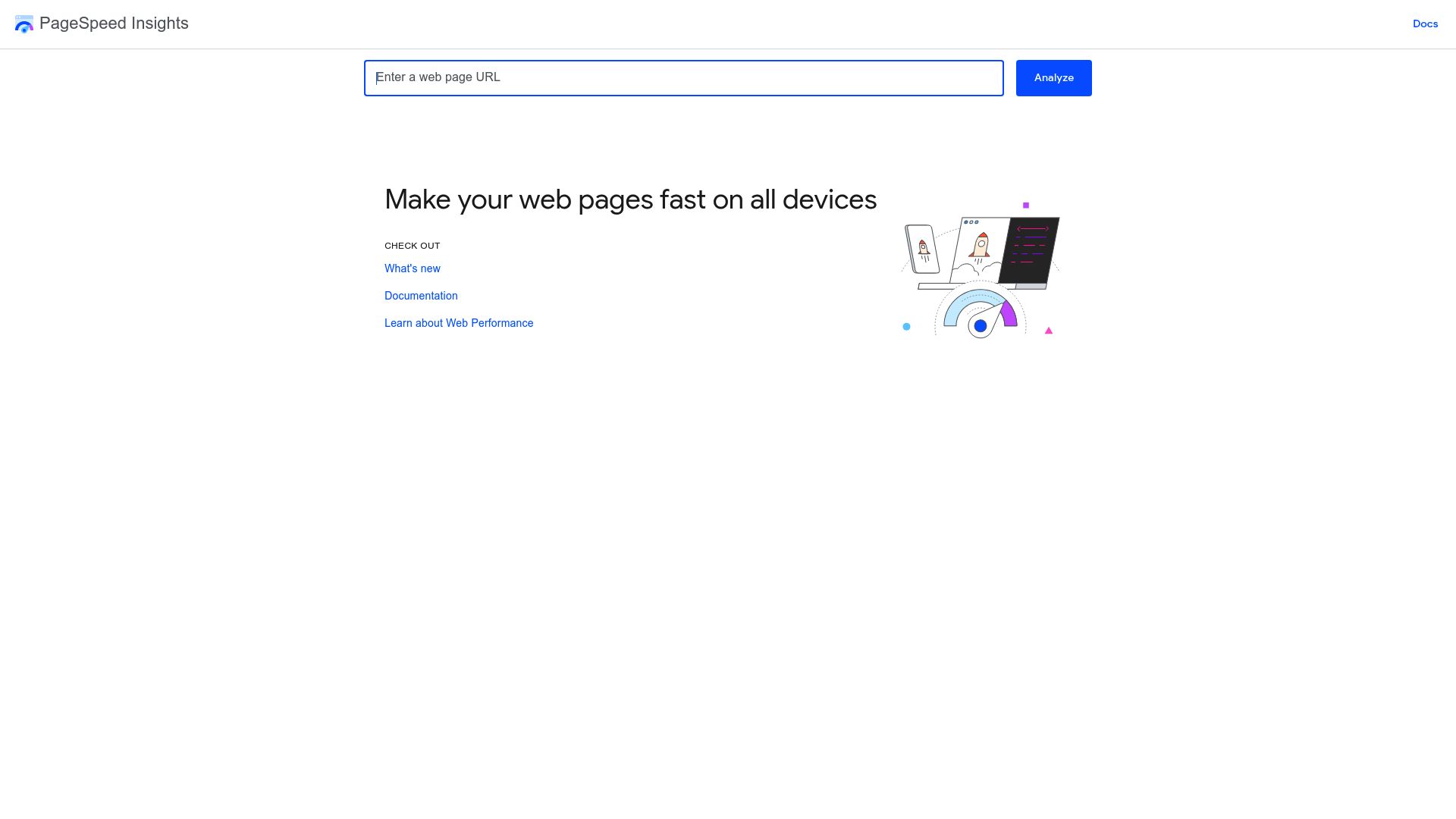
First off, check their site speed, especially their scores on Google's Core Web Vitals. You can use free tools like Google's own PageSpeed Insights to see how they're doing on loading, interactivity, and visual stability.
The data on this is super clear: speed really matters to users. For instance, just a one-second delay in page load time can slash conversions by 7%. For sites in e-commerce or real estate that are often loaded with high-res photos, site speed is a make-or-break factor for both rankings and sales.
It's simple: a faster site means a happier user, and happy users lead to higher rankings.
Speed isn't everything, though.
Dig into some other technical stuff. Is their site secure with HTTPS?
Does it work well on mobile?
Take a look at their URLs, are they clean and easy to read with keywords, or just a mess of numbers and symbols?
Check out their internal linking strategy. Are they doing a good job of linking related content together to spread link juice and help users find what they need?
A smart internal linking setup is a classic sign of a well-tuned website. By finding their technical flaws, you can make sure your site is technically better, giving you a solid base to build from and a clear competitive edge.

Automating Your Analysis and Benchmarking Progress
Let's be clear: learning to analyze your competitors' SEO isn't a one-and-done task. It’s something you have to keep doing, monitoring, benchmarking, and tweaking your own plan. The online world changes fast.
Your competitors are always putting out new content, getting new backlinks, and switching up their strategies. If you want to stay ahead of the curve, you have to constantly keep an eye on what they're doing and see how your own progress stacks up. And this is where a lot of businesses stumble.
Not because they don't know what to do, but because they just don't have the time or people to keep up this constant watch.
Trying to manually track competitor rankings, new content, and every change in their backlink profile is a massive, almost impossible job. Sure, powerful tools like Conductor and Semrush give you great dashboards to track everything, but the real bottleneck is actually *doing* something with all that information. I mean, what good does it do to find 20 killer content gaps if your team can only write two articles a month?
That's the huge gap between strategy and execution, and it's exactly where AI-powered automation is causing a major shift in the SEO world.
Just imagine if you could actually act on every single insight you find. That’s what automation promises.
The platforms available today can turn your competitive analysis into a non-stop execution engine. For example, instead of just finding keyword gaps, an automated system can crank out high-quality, SEO-friendly articles to fill them for you, and do it at scale. Think about it: creating 30 unique articles every month, with each one aimed at a specific weak spot you found in your competitor's strategy.
And instead of spending hours hunting for backlink opportunities, what if you just got 100 fresh credits every day to go after top-tier link placements?
This move from grinding it out manually to automating the execution is what lets businesses go from just competing to actually dominating their niche.
That's exactly what solutions focused on AI content automation are built for, to close that gap and turn your great ideas into actual rankings.

From Analysis to Action A Winning Strategy
Okay, so we've covered the whole playbook on how to analyze your competitors' SEO, from figuring out who you're really competing against to picking apart their keywords, content, backlinks, and tech.
The main takeaway here?
SEO success doesn't just happen by accident. It’s what happens when you have a smart, data-driven plan that you stick to consistently. Your competitors' success leaves a breadcrumb trail, and if you follow it, you can create a much smarter growth plan for your own brand.
It changes SEO from a frustrating guessing game into more of a calculated science.
But remember, the goal is never just to copy what everyone else is doing.
The purpose of this deep analysis is to find the open lanes, the underserved topics, and the strategic weaknesses that create an entry point for you.
It's about taking their best ideas and making them ten times better. It’s about serving the audience in your niche more comprehensively and with greater authority than anyone else.
This intelligence provides the blueprint for what needs to be done to not only catch up but to eventually pull ahead and become the leader in your space.
But like we've said, having the perfect blueprint doesn't mean much if you don't have the crew to actually build the house. After doing all this analysis, the single biggest hurdle for most businesses is actually executing everything at scale. The amount of content and outreach you need to do just to keep up is staggering.
This is that make-or-break moment where your strategy has to meet technology. By using AI-powered automation for creating content and getting backlinks, you can finally close that gap between knowing what to do and actually having the firepower to get it done.
It lets you systematically jump on every opportunity you find, turning all that hard-won strategic insight into real rankings and business growth.
Are you ready to stop analyzing and start outranking?
The tools and strategies exist to turn your competitors' strengths into your opportunities. It’s time to transform your SEO from a manual grind into an automated powerhouse. Take a look at how RobotSpeed's AI-powered platform for one-click content and backlink automation can give you the edge you need to win.
Find out what’s possible for your business today.
Frequently Asked Questions
How often should I analyze my competitors' SEO strategy?
You should probably do a really deep analysis once a quarter.
But you'll want to keep an eye on key things like keyword rankings, new content, and major new backlinks every month, or even every week. Things change fast in SEO, so staying on top of what your competitors are doing is key to holding onto and improving your rankings.
What's the most important factor in a competitor's SEO strategy?
While all elements are interconnected, many experts would argue that a combination of high-quality content and authoritative backlinks is the most powerful driver of SEO success. Incredible content that gives searchers exactly what they want is the foundation, and backlinks from trusted sources are the main way you signal authority to Google.
You cannot succeed long-term without excelling at both.
Can I do competitor analysis without expensive tools?
Yes, you can perform a basic analysis without paid tools, but it will be far more time-consuming and less precise. You can manually search your keywords in an incognito browser to see who ranks, read their content, and view their page source to check meta tags.
However, for deep analysis of keyword data, backlink profiles, and technical health, professional SEO tools provide insights and efficiency that are nearly impossible to replicate manually.