
Staying on top of content creation feels like a never-ending race. If you're an entrepreneur, running a marketing agency, or working in a tough industry like e-commerce or real estate, you know the pressure to churn out great content is insane. We're not just talking about posting a blog every now and then.
This is about creating a true content machine, something that actually brings in traffic, makes you look like the expert you are, and turns readers into customers. But here's the kicker: how do you do all that without completely exhausting your team or blowing through your budget? That’s exactly why learning how to automate blog post creation with AI isn't some sci-fi dream anymore, it's a real, down-to-earth game plan for your business.
Think of AI as more than just a buzzword; it's like having an incredibly efficient assistant who can take care of the grunt work of content creation, from brainstorming ideas to writing the first draft, so you can get back to thinking about the big picture.
What if you could pump out dozens of SEO-ready articles every single month, without having to do all the heavy lifting yourself?
Just think of the edge you’d have, consistently putting out fresh content and leaving your competitors in the dust.
In this guide, we're going to break down exactly how to build that system. We’ll look at a simple workflow that marries the creative spark of AI writers with the muscle of automation tools.
We are not talking about soulless, robotic text but a streamlined process that empowers your human creativity, not replaces it. You will learn how to automate SEO content creation to make it a seamless part of your marketing operations, whether you're a consulting firm aiming to share expertise or a health business needing to provide timely information.
By following this tutorial, you will understand the entire pipeline, from generating compelling ideas to hitting the publish button, transforming your content strategy from a chore into a powerful growth lever.
When it comes to automating your blog with AI, the goal is to create a system that's both smart and can grow with you. You've got to pick the right tools, map out a clear process, and, this is key, know when a human touch is absolutely non-negotiable.
We've leaned on proven methods and expert advice to give you a straightforward roadmap in this post.
We've broken down every step into simple, actionable tips, so you don't need to be a tech wizard to follow along.
Really, our goal is to take the mystery out of AI automation and show you how to make it work for you.
You’ll quickly see how this frees you up to publish way more content in a fraction of the time, so you can focus on talking to your customers and actually running your business. Look, it’s not just about getting time back, it's about making your voice louder in a very noisy online world.

How to Automate Blog Post Creation With AI Starting with Ideas
Every great blog post starts with a solid idea, but coming up with fresh topics consistently can be exhausting. AI can completely transform this brainstorming process. AI blog post generators are designed to analyze vast amounts of data, including audience interests, trending keywords, and what your competitors are talking about.
You just pop in a few keywords from your industry, and within seconds, you'll get back a whole list of topic ideas.
And this isn't just about saving time, it’s a real strategic move. You're making sure your content calendar is hitting on exactly what your audience is already looking for.
But the real magic?
That's when the AI suggests an angle you never would have thought of on your own.
For instance, research from PageOn.AI shows how these tools can find unique angles on tired old topics, which helps your brand's voice cut through the noise. Instead of just "home buying tips," a real estate agent could get ideas like "Top PropTech Innovations for First-Time Homebuyers in 2025" or "How Remote Work is Shaking Up Suburban Real Estate." Or say you're in the health industry, it could spit out niche topics like "How AI is Shaping Personalized Patient Care" or "What's Next for Telehealth in Mental Wellness." Doing this means your content isn't just stuffed with keywords, it's actually interesting and speaks directly to your corner of the market.
Create SEO-Ready Outlines for Automated Content
Alright, so you've got a great topic.
The next big step is turning it into a well-structured article that both readers and search engines will love. A solid outline is pretty much the skeleton of any good blog post, but let's be honest, building one from the ground up takes forever. And this is another spot where AI really shines.
Just feed your topic into an AI writer, and it can whip up a structured outline for you, complete with all the headings (H2s, H3s), main points, and other details. This completely slashes your planning time and makes sure the article flows logically for your readers right from the start.
But don't think this automated process just spits out a boring list of sections.
Today's AI tools are smart about SEO.
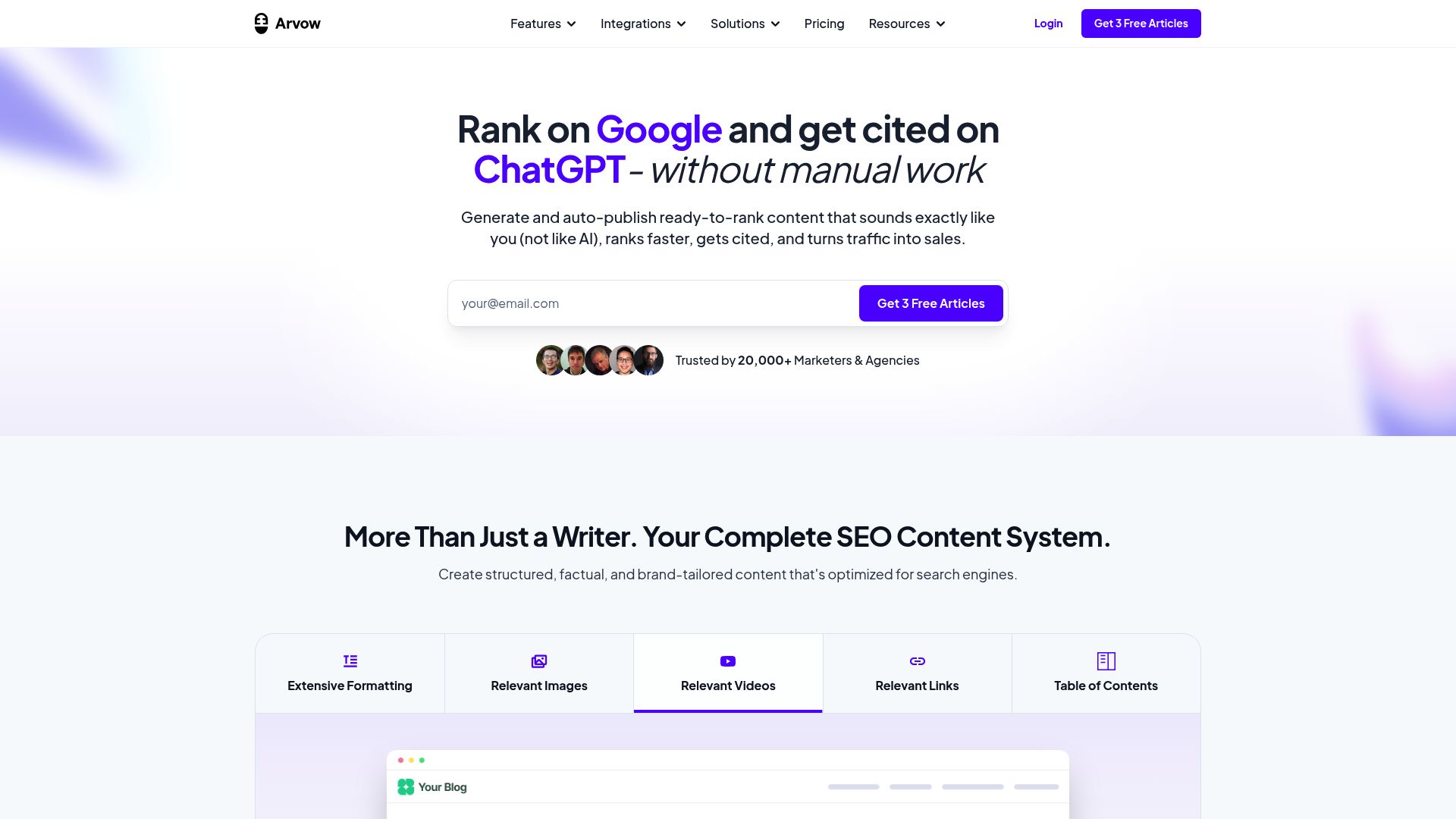
They'll often suggest headings with the right keywords already in them and use a structure that Google tends to like. Just like the experts over at Arvow say, getting this foundation right makes your post easier to read and gives it a better shot at ranking high. Of course, you're not stuck with what the AI gives you.
You can tweak the outline however you want, add your own unique take, move sections around to tell a better story, or dial in the tone so it sounds just like your brand. It really is the perfect mix of AI speed and your own human strategy.
The Core of AI Blog Post Creation Automated Drafting
Once you have a great topic and a solid outline, you're ready for the main event: letting the AI do the drafting. Honestly, this is where you'll get the biggest chunk of your time back when you automate your blog posts with AI. The AI just takes your outline, fleshes out each point into paragraphs, and builds a complete first draft in a matter of minutes, not hours.
It's smart enough to weave in relevant facts, keep the tone consistent, and build on the arguments you wanted to make. So, what you get isn't just a jumble of words.
It's a real article, intelligently built from the framework you gave it, that actually makes sense from start to finish.
The really advanced AI writers and platforms even build SEO best practices right into the draft. They'll suggest keywords, clean up your headings for better ranking, and even write meta descriptions to help you get found on Google. Some tutorials using the OpenAI API even show how you can set up workflows to pull in live facts from research or links you feed it, so your content is super current and backed by real data.
This is exactly what we had in mind when building our platform at Robot-Speed. We wanted to offer a true one click SEO article generation experience that gets you from a single keyword to a finished draft without all the hassle. It's what separates a basic AI writer from a full-blown SEO content machine.

Why Human Review is Non-Negotiable in AI Content Creation
Look, AI is powerful, but it's never going to completely replace the sharp eye and creative thinking of a real human editor. Having a person review the content is non-negotiable if you care about quality, getting your facts straight, and making sure it sounds like your brand. An AI draft gives you a fantastic head start, but it's that human touch that really makes a piece of content shine.
This is where you come in to smooth out the text, make sure it flows well, inject your brand's personality, and add those personal stories or unique data points that an AI just can't make up. That's the stuff that builds real trust and connection with the people reading your work.
And if you're in a field like health, law, or finance where the rules are strict, this review process is absolutely crucial. In these fields, factual accuracy and compliance with industry standards are not just best practices they are legal and ethical obligations.
A human expert must verify all claims and ensure the content is responsible and trustworthy. To make this human-AI collaboration smoother, many teams use tools like Google Docs or Notion for editing and platforms like Trello to manage the workflow. As described in a detailed process from Tinkering with Ideas, creating a handover system between the AI draft and the human editor is key to a streamlined and efficient editorial process.
It's how you make sure every single article is up to your standards before you hit publish.
How to Automate an SEO Content Creation Workflow
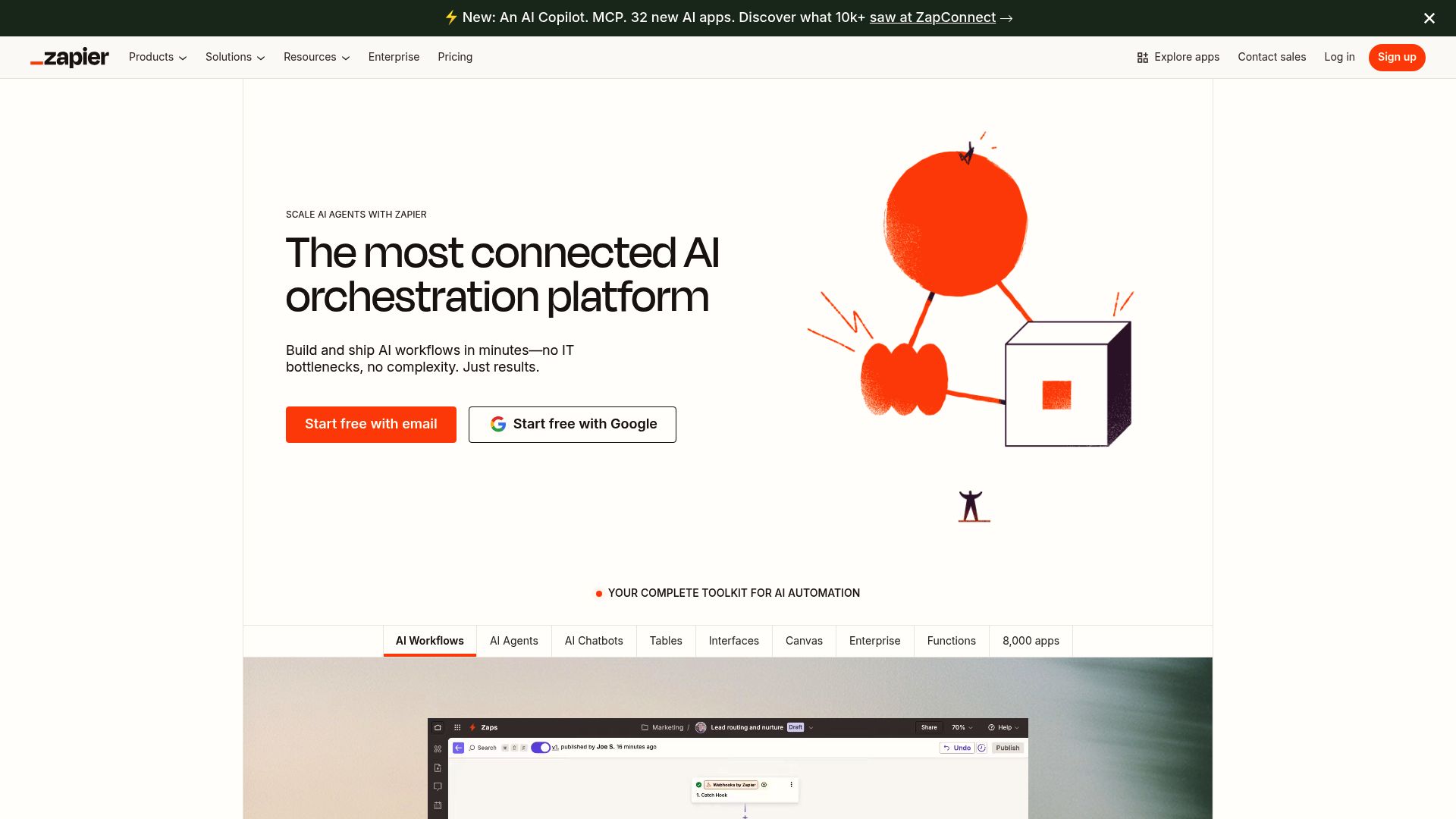
Using AI to create content is great, but the real game-changer is automating the whole process, from that first draft all the way to publishing. That's where tools like Zapier and Make become your best friends.
They’re like the digital glue holding all your apps together, automating all the little hand-offs between each step of your content process. You can set up a system that pretty much runs itself, shuffling content through your pipeline without you having to constantly check in. That’s a huge part of learning how to automate blog post creation with AI the right way.
So, what does this actually look like in practice?
Imagine this: an AI tool finishes a draft and automatically saves it in a Google Docs folder. Then, a trigger you've set up in a tool like ActivePieces or Zapier spots that new file, instantly creates a card for it in Trello, and even assigns it to your editor with a deadline.
Once the editor finishes their review and moves the card to a "Ready to Publish" column, another automation can trigger a notification to your social media manager or even use a script to upload the final content directly to your CMS, like WordPress, Ghost, or Webflow. While setting up these custom workflows is powerful, integrated platforms like Robot-Speed aim to simplify this dramatically. We bundle many of these steps, offering a more direct path to one click SEO article generation and publishing, saving you the hassle of juggling multiple tools and subscriptions.
Tooling Up A Practical Guide to AI Blog Automation
Picking the right tools is the absolute foundation for building out your automated content machine. What works for you will really depend on your own situation, your industry, how comfortable you are with tech, and so on.
For just getting ideas and first drafts, tools like Jasper and Copy.ai are go-to choices for many.
If you're looking for something that handles more, like outlining and SEO, you might want to check out Writesonic or PageOn.AI.
Honestly, the key is to pick tools that can connect with the systems you're already using, whether that's Trello or your WordPress site. And even more importantly, find a tool that lets you customize the style so the AI’s writing actually reflects your brand’s voice.

To give you a better picture of how this all connects, here’s a quick look at a typical automated workflow and the kinds of tools you might use.
| Step | Tool Suggestions | Key Actions |
|---|---|---|
| Idea Generation | Jasper, Copy.ai | Whip up topic ideas tailored to your industry using keywords and what's trending. |
| Outline Creation | Writesonic, PageOn.AI | Create a solid outline with headings that are ready for SEO. |
| Draft Writing | GPT-4, RobotSpeed | Turn outlines into full drafts, work in your keywords, and polish the tone for your readers. |
| Editorial Review | Google Docs, Notion, Trello | Have a real person edit for brand voice, accuracy, any compliance needs, and to add that original spark. |
| Workflow Automation | Zapier, Make, ActivePieces | Automatically push drafts through your workflow, send out notifications, and even update your website. |
| Publishing & Syndication | WordPress, Ghost, Webflow Integrations | Automatically upload or schedule your posts and use plugins for a final SEO once-over. |
But remember, it's not just about the tools, it's about the process. You should always, always have a human review the content, especially if you're in a sensitive industry like healthcare or finance where getting things wrong can be a huge deal.
To continually improve your strategy, set up analytics to track the performance of your AI-generated content.
See what topics resonate, which articles drive traffic, and use that data to refine your future content efforts.
This data-driven feedback loop is what turns a simple automation into a sophisticated growth engine for your brand.
Many marketing teams now also have a dedicated blog to share their findings and help others.


Embracing the Future of Content Creation
So, we've gone over the entire playbook for how to automate your blog posts with AI, from that first flicker of an idea all the way to hitting 'publish'. It's a pretty clear path, right? You start by letting AI brainstorm topics for you, use it to generate a solid, SEO-friendly outline, and then have it write a complete first draft.
But you're not done yet. That's when a human needs to step in to make sure the content is accurate, feels authentic, and actually sounds like you. Once you tie it all together with automation tools, you've built yourself a smooth, scalable content machine.
With a system like this, you can get way more content out the door in less time, which gives you a huge leg up on the competition.
The payoff here is huge for any business, whether you're a solo entrepreneur doing it all yourself or a busy agency juggling a ton of clients.
It boils down to spending less time on the boring parts of writing and more time thinking big picture, talking to customers, and growing your business. For e-commerce businesses, it means more product guides and targeted content. For consulting firms, it’s a way to consistently share expertise and build authority.
You're not just automating a task, you're scaling your ability to communicate with your audience and build a loyal following.
The future of content marketing is not about replacing humans with AI, it's about humans and AI working together to achieve more than ever before.
Tired of thinking about complex setups and connecting a million different tools?
The good news is, you don't have to.
New platforms are popping up that pull this whole process together into one simple, easy-to-use spot. Here at Robot-Speed, we actually built the exact solution we always wished we had.
Our platform rolls AI content creation and backlink automation into one, giving you that true one-click SEO article generation you've been looking for. If you’re ready to see how effortless content and SEO automation can be, explore our features or get in touch with our team today.
Let us show you how to put your content strategy on autopilot and start seeing results.
Frequently Asked Questions
-
Is AI-generated content good for SEO?
Yes, when used correctly.
AI-generated content can be highly effective for SEO, provided it is high-quality, relevant, and human-reviewed. Search engines just want helpful content that answers a person's question. AI is great for building the initial draft, but you need a human to polish it and add the kind of expertise that makes it truly valuable.
-
Can I fully automate my blog without any human intervention?
While you *could* technically automate the whole thing from start to finish, we really don't recommend it.
If you go full-auto without a human check, you're risking articles with factual mistakes, a weird tone, or just that flat, robotic feel that fails to connect with anyone. The best approach is a human-in-the-loop system where AI handles the drafting and humans handle the final review and approval.
-
What's the difference between using multiple tools and an all-in-one platform?
Using multiple specialized tools (like one for writing, another for SEO, and a third for automation) offers flexibility but requires complex setup and management of different subscriptions. An all-in-one platform like Robot-Speed integrates these functions into a single workflow, simplifying the process, reducing costs, and saving you the time and effort of connecting everything yourself.