
Look, the world of digital marketing never sits still, and visual content is pretty much king these days. I think we’ve all felt that pain, spending way too long digging for the right stock photo or waiting what feels like forever for a designer to whip up a simple graphic.
That kind of bottleneck can bring a whole campaign to a screeching halt. If you're an entrepreneur or work at an agency in a fast-moving field like e-commerce or real estate, that delay isn't just annoying, it actually puts you behind the competition. Let's be real: you need those high-quality, on-brand images yesterday, not next week.
And that's where everything is starting to change.
Think of an AI image generator as less of a cool new toy and more of a powerful marketing engine. Basically, these tools use AI to conjure up unique images from simple text descriptions you give them, which are called 'prompts'.
Just imagine needing a super-specific image, say, "a photorealistic image of a doctor consulting with a patient via video call in a modern, bright office", and poof, it's there in seconds. This technology unlocks incredible speed, creativity, and cost-efficiency, allowing businesses to produce a constant stream of visual content for blogs, social media, ads, and websites.
But here’s the thing, the market is now flooded with options, and honestly, not all are built the same. Some excel at creating artistic, cinematic visuals, while others are designed for rapid, collaborative work within a larger design platform.
Choosing the wrong tool can lead to generic-looking images, wasted time, and frustration. That’s why we’ve dived deep into the most talked-about platforms.
This article will compare 6 of the best AI image generators for marketing content, looking at their features, quality, pricing, and ideal use cases to help you find the perfect fit for your business needs.
Your Guide to the Best AI Image Generator Tools
Finding the right ai image tool is about matching its strengths to your specific marketing goals. Are you a solo entrepreneur needing quick social media graphics, or a large agency producing high-end campaign visuals? Each tool on our list serves a different purpose.
Some prioritize hyper-realism, while others integrate seamlessly into existing workflows, like the Adobe or Canva ecosystems. We're going to break down the pros and cons of each one, so you can make an informed decision.
To give you a quick snapshot, here’s a look at how these platforms stack up.
This table summarizes the key features we'll be discussing in detail, from commercial usage rights to overall image quality. Think of it as your cheat sheet before we explore what makes each of these generators tick.
| Tool | Commercial Use | Key Features | Best For | Pricing | Image Quality |
|---|---|---|---|---|---|
| Midjourney | Paid only | Cinematic, advanced edits | Stunning visuals, brand art | $ (no free) | Very High |
| Adobe Firefly | Included in CC | Camera angles, Adobe int. | Pro creative workflows | CC sub. | Very High |
| DALL·E 3 | Paid/free | Style codes, API, MS int. | Fast, flexible image creation | Free/Paid | High |
| Fotor | Paid API | Bulk, APIs, enhancements | Large scale, automation | $99+/mo | Good |
| Canva AI | Free/Paid | Multi-variate, in-app | Rapid, collaborative design | Free/$ | Good |
| Lexica Art | Paid | Brand, prompt saving | Blog, SEO content | Not listed | Realistic, High |
Midjourney The Cinematic Artist
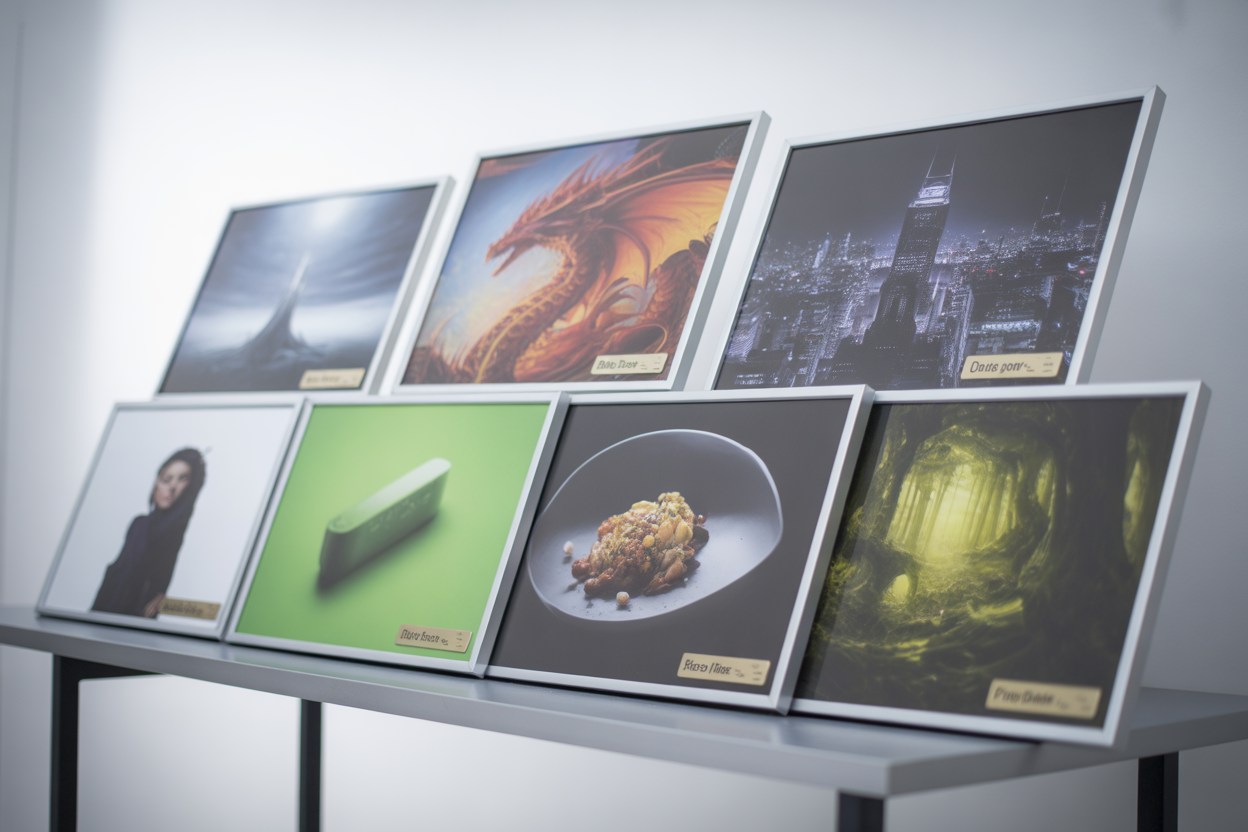
Midjourney has earned a reputation for producing what many call "cinematic" and hyper-realistic images.
It's a favorite among digital artists and marketers who need visuals that truly stop the scroll.
If you're looking for an artificial intelligence image that has dramatic flair and looks like a high-budget production still, this is often the go-to tool.
According to a review by Curious Refuge, its ability to generate visually stunning and on-brand assets is a major draw.
At first, it was only on Discord, which honestly was a hurdle for some people, but now there's a super user-friendly web app that makes the whole creative process way easier.
You get cool advanced features like keeping your characters and art style consistent, a total game-changer for campaigns where you need the same look and feel across a bunch of different images. Plus, you can easily reference old prompts to perfect your work. The one catch is that there's no free tier; you have to commit to a paid plan from the start.
When it comes to image quality, Midjourney is at the top of the pack. The resolution is high, and its strength lies in photorealism and artistic interpretation.
However, as noted in a comparison by AIToolssme, it sometimes struggles if you specifically want a low-quality or simple documentary-style visual. It's so good at being beautiful that it can be hard to make it look "average." This makes it perfect for consulting firms or e-commerce brands wanting to build a powerful, premium visual identity.
Adobe Firefly The Creative Cloud Powerhouse
For marketing agencies and creative professionals already living inside the Adobe Creative Cloud, Adobe Firefly feels like a natural extension of their existing toolkit. The biggest win here is how deeply it's integrated with powerhouse apps you already know, like Photoshop and Illustrator.
You can cook up an image in Firefly and then pop it right into Photoshop to keep working on it, skipping that clunky download-and-re-upload dance. Honestly, that streamlined workflow saves a massive amount of time for any pro production pipeline.
But Firefly is more than just convenient, it has some really unique features built specifically for pros. You can specify camera angles, focal lengths, and other photographic settings directly in your prompt, giving you a level of control that many other generators lack. As highlighted by sources like God of Prompt, this makes it exceptionally well-suited for professional creative work.
It's included with a Creative Cloud subscription, which provides 100 generative credits per month for basic use, making it accessible for existing Adobe users.
You can count on the image quality being consistently high.
Because Firefly was trained on Adobe's own library of licensed stock images, it's built from the ground up to be safe for commercial use and to steer clear of messy IP issues. That training data also makes it surprisingly good at following your prompts and sticking to a specific style. If you're a marketing agency that has to crank out reliable, top-notch visuals that stick to strict client brand guides, Firefly is an incredibly solid and dependable pick.
DALL·E 3 The Accessible Innovator
DALL·E 3, developed by OpenAI, has become one of the most accessible yet sophisticated text-to-image models available. A key advantage is its integration into Microsoft products.
You can access it for free through Microsoft Copilot (formerly Bing Chat), which makes it an excellent entry point for anyone curious about AI image generation. This accessibility is perfect for entrepreneurs or small businesses in the health or real estate sectors who need to create visuals quickly without a steep learning curve or initial investment.
It’s not just for beginners, though. DALL·E 3 allows for very detailed and nuanced prompts, and it's particularly good at understanding complex relationships between objects in a scene.
Information from AIToolssme points out its value for businesses already using Microsoft tools, offering fast and flexible creation. For more advanced users, style codes and API access allow for fine-tuning outputs and integrating the technology into custom applications, although commercial use generally requires a paid plan.
When it comes to quality, DALL·E 3 is great at kicking out realistic-looking images and it's pretty reliable for matching specific brand styles. Yeah, it can sometimes get weird with certain angles or tricky anatomy, we've all seen the AI hands, but it is getting better all the time. The fact that it can quickly spit out on-brand images makes it a super versatile tool for whipping up everything from social media posts to custom illustrations for a big presentation.

Fotor The Automation Engine
While many generators focus on single, artistic creations, Fotor's AI image generator carves out a niche in automation and large-scale content production. It offers a broad suite of generative APIs for not just images, but also AI headshots, photo enhancements, and more.
This makes it a developer-friendly choice for marketing teams or agencies looking to integrate AI image creation directly into their proprietary software or marketing stacks. If your business needs to generate hundreds of product images or social media banners daily, Fotor's API is built for that kind of volume.
The pricing model reflects this focus on scale. Developer plans start around $99 per month for a set number of API calls, which is an attractive proposition for businesses that need bulk generation without paying per image.
I read on God of Prompt that it’s perfect for handling big jobs like churning out social content, banners, and product images without much fuss.
This is a huge deal for e-commerce sites that need tons of different product shots or real estate agencies that have to create visuals for a whole bunch of listings.
For the most part, the image quality is good and pretty versatile, and it can handle a bunch of styles, even cool niche ones like a 'polaroid' effect.
It also supports various export formats.
However, it can sometimes mismatch prompt details, requiring a bit more trial and error than some of its competitors. The trade-off for its powerful automation capabilities is a slight compromise in the pinpoint accuracy you might find with a tool like Midjourney, but for scaled content strategies, it’s a powerful ally.
Canva AI The Collaborative Design Hub
Canva has already won over millions with its user-friendly design platform, and its integrated AI image generator is a natural and powerful addition.
Its main strength is its seamless workflow. You can generate an image and drop it directly into a social media post, presentation, or infographic template all within the same interface.
This removes nearly all friction from the creative process, making it incredibly easy for anyone to design and publish professional-looking marketing materials in minutes.
It's built for speed and collaboration. When you enter a prompt, Canva’s tool, often referred to as Magic Media, generates multiple variations at once, giving you options to choose from instantly.
Its pricing is another huge draw.
Canva offers a generous free tier with up to 50 lifetime uses and 5GB of storage, which is perfect for entrepreneurs or small businesses testing the waters.
As platforms like AIToolssme note, it's best for teams needing rapid, collaborative, and templated content.
The image quality is very good for most day-to-day marketing needs. It excels at creating clean graphics, illustrations, and stylized photos that fit neatly into pre-designed templates. One minor quirk is that its stylization can sometimes be a little too enthusiastic, occasionally adding comic-style elements unexpectedly.
Despite this, for teams that prioritize fast deployment and in-app editing over hyper-realistic cinematic art, the Canva AI image generator is an unbeatable tool for efficiency.
Lexica Art The SEO and Content Specialist
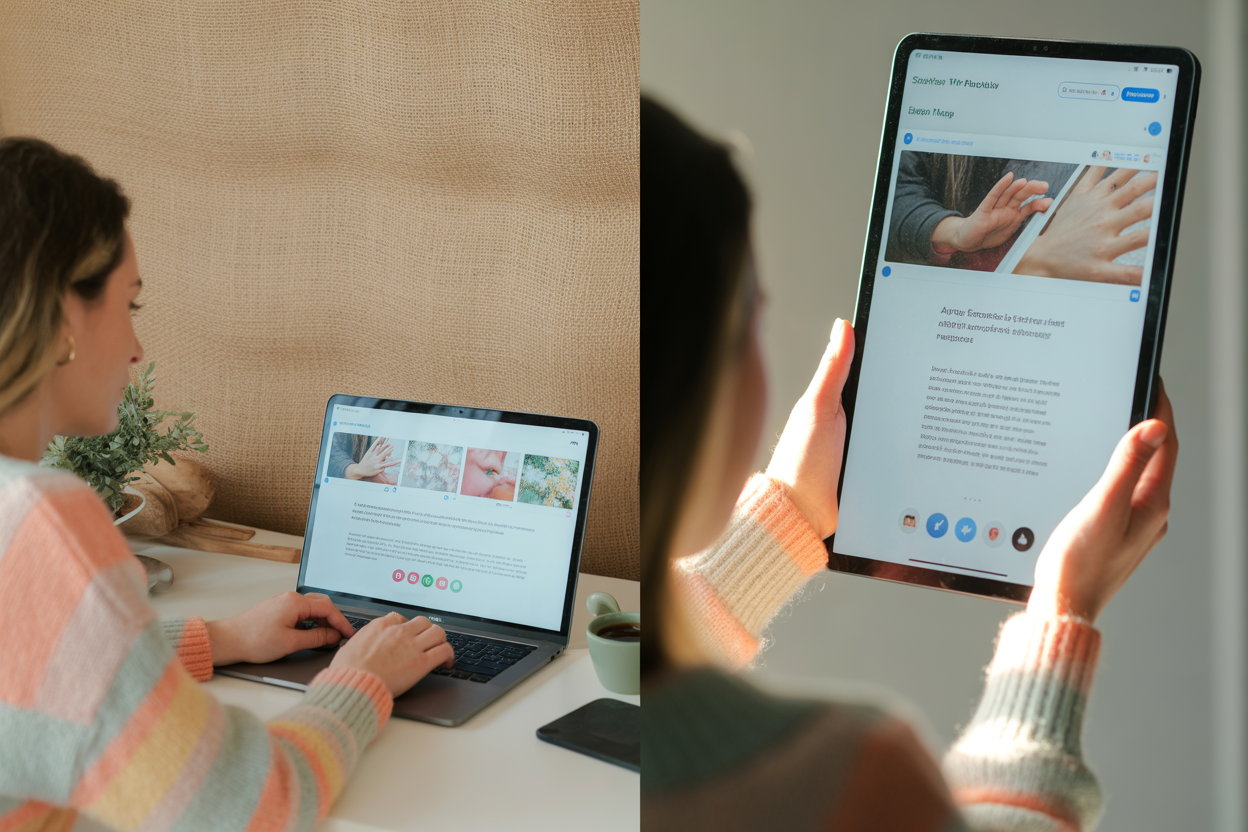
Lexica Art is an interesting player because it’s laser-focused on a specific use case: creating visuals for marketing, blogs, and SEO content. While other tools aim to be a jack-of-all-trades, Lexica doubles down on photorealism and brand consistency. This specialization makes it a strong contender for businesses where content marketing is a core part of their strategy, such as consulting firms, health sector blogs, and e-commerce sites needing high-quality editorial images.
Its standout feature is the ability to save prompts and styles for ongoing use.
This is a simple but powerful function that helps maintain a cohesive visual identity across all your content. You know what's interesting?
This directly addresses a common pain point for marketers who struggle to get consistent results from AI generators.
According to insights from MarketerMilk, Lexica is highly rated for its ability to produce some of the most realistic outputs, making it fantastic for blog headers and social media images that need to look authentic.
The focus on photorealism means the image quality is consistently high and believable. This is critical for building trust with an audience, especially in sectors like health and consulting where authenticity is paramount. While its pricing isn't publicly listed, it's aimed at marketing professionals and agencies who understand the value of high-quality, on-brand visuals that support their SEO and content efforts.
For any business serious about content marketing, Lexica Art is definitely one to watch.
Making Your Choice and Moving Forward
So, we've walked through six of the top AI image generators, and it’s clear there’s no single "best" tool. The right choice truly depends on your specific context.
It's a bit like choosing a vehicle; you wouldn't buy a sports car to haul lumber. If you're an entrepreneur just starting, the easy access and free tier of Canva AI or DALL·E 3 via Copilot are fantastic for creating quick, clean visuals without any upfront cost.
You can get your social media and blog up and running with professional-looking content in no time.
On the other hand, if you're a marketing agency or a brand focused on high-end, artistic visuals, investing in Midjourney or Adobe Firefly is the way to go. Midjourney will give you that stunning, cinematic quality that builds a powerful brand aesthetic, while Firefly offers unmatched integration for professional creative workflows. For businesses like e-commerce or real estate that need visuals at scale, Fotor's automation and API capabilities are designed to handle that volume.
And for serious content marketers, Lexica Art's focus on realistic, SEO-friendly images is a perfect match.
Here’s the thing to remember. Creating stunning visuals with an AI image generator is a huge step forward, but it's only one piece of the puzzle.
An amazing image can capture attention, but it needs powerful, SEO-optimized content to drive traffic, engage readers, and convert leads. The visuals and the words must work together to achieve your marketing goals.
This is precisely where our expertise at RobotSpeed comes into play. We understand that effective SEO is a combination of compelling content and strategic optimization.
Ready to pair your new AI-powered visuals with content that climbs the search rankings?
RobotSpeed's platform automates the creation of 30 high-quality articles per month and provides 100 daily backlink credits to amplify your digital presence. Stop juggling content creation and let our AI do the heavy lifting. Explore how RobotSpeed can revolutionize your SEO strategy and help you dominate your industry online.