

Running an online store often feels like shouting into a void. You have excellent products and a sleek website, but the digital foot traffic just isn't there.
Here is the reality specific to our industry.
Look, you probably know you need search engine optimization. But figuring out who to actually trust with your brand's visibility?
That's the hard part. Getting the right ecommerce seo agency on your side can literally be the one thing that separates flatlining sales from explosive growth. This isn't just about hiring a keyword wizard.
You need a true partner who gets the nitty-gritty of product pages, category layouts, and how people actually shop online. The stakes are incredibly high. Choose wrong, and you could be out months of revenue, or worse, get slapped with a Google penalty.
We see this all the time at RobotSpeed. People come to us, frustrated after dropping thousands on an agency that promised the world and delivered...
well, not much. It's beyond frustrating, and honestly, you can avoid it. That’s why we put this guide together, to show you exactly how to find a partner who will actually move the needle.
We’ll dig into the skills that really matter, show you how to vet agencies, and even open your eyes to options like AI automation that might be a much better fit for your budget.
Why Is E-commerce SEO So Different?
So, what makes e-commerce SEO so different?
You're probably wondering, 'Can't I just hire any old marketing firm?'
The short answer?
It's all about the complex wiring of an online store. Think about it: an e-commerce site isn't like a simple blog or a local business website. You could have thousands of landing pages.
Every single product option, every search filter, and every category page is its own unique SEO puzzle.
A real pro ecommerce seo agency knows the headaches of 'faceted navigation' inside and out. That's when customers filter products by size, color, or price. If your SEO person doesn't handle this properly with things like canonical tags, you can end up with thousands of duplicate pages, which completely kills your ranking power.
The scale is just massive.
A local bakery might need to rank for fifty keywords. A mid-sized clothing retailer needs to rank for thousands.
This requires a strategy that is both granular and scalable.
Content marketing for retail is also distinct. You can't just churn out generic articles.
You need helpful buying guides, side-by-side comparison charts, and content that understands what your customer wants and nudges them toward the checkout.
Honestly, this exact challenge is why we built RobotSpeed. Our AI Content Agent isn't just a word generator; it digs deep into the 'why' behind a customer's search, making sure every single article is built to turn a reader into a buyer.
Core Skills to Look For in an Agency
When you start talking to potential partners, you'll want a checklist of skills that are total deal-breakers if they don't have them. From what we've seen in the industry, a few key skills really separate the pros from the amateurs.

Dragisa Braunovic / Unsplash
Platform Proficiency is Mandatory
Whatever you do, don't hire an agency that plans to "figure it out as they go." Your ecommerce seo agency has to be an expert on your store's platform. No exceptions.
If you're on Shopify, you need a dedicated shopify seo expert. Trying to optimize a Shopify store is a completely different ballgame than working on a WordPress site.
For example, Shopify has a very particular URL structure and some odd limits on the robots.txt file that demand clever workarounds.
It's the same story for WooCommerce or Magento.
Smart businesses make sure the agency has proven experience with their exact tech stack. A Magento whiz could be completely lost in the Shopify world, and you'll be the one paying for their on-the-job training.
Comprehensive SEO Knowledge
A 'little bit of this, little bit of that' approach just doesn't cut it anymore. Winning in modern search requires a holistic strategy. You need someone who can handle deep technical SEO to make sure Google can actually find and crawl your products.
Then there's on-page SEO for writing titles and descriptions that make people want to click. And don't forget off-page SEO, especially link building, which is still a huge piece of the puzzle.
This is an area where a lot of cheap agencies fall flat. They'll either do nothing at all or, worse, buy a bunch of junky links that will get you in trouble down the road. At RobotSpeed, we tackle this head-on by including our Premium Link Network with every subscription.
It's a system that helps grow your domain authority through an automated backlink exchange, the kind of work that would normally cost an agency thousands to pull off by hand.
Customization Over Templates
Watch out for those "Bronze, Silver, Gold" packages that look like a copy-paste job for every client.
The best agencies build strategies from the ground up, just for you. They'll dive deep into your specific market and size up your competitors to find gaps. Even the experts at Click4Corp agree, pointing out that top agencies offer customized strategies, not cookie-cutter solutions.
I mean, a shop selling vintage watches needs a totally different game plan than one selling bulk pet food, right?
And they need to be transparent about it. You should always know exactly where every single dollar of your budget is going.
If they can't explain their strategy in plain English, that's a huge red flag.
The Step-by-Step Vetting Process
Finding the right partner isn't a guessing game. It's really a process of elimination. If you follow a clear, structured path, you can dramatically lower your risk of making a bad hire.
Step 1: Research Credentials Thoroughly
Start digging through reputable directories.
Sites like Clutch or G2 are absolute goldmines for unfiltered feedback. Don't just look for five-star ratings; you want to see a high volume of reviews, too. Pay close attention to the negative reviews.
How did the agency handle it?
Did they own up to a mistake, or did they get defensive and blame the client?
That response tells you everything you need to know about their character. It's also a good idea to prioritize agencies that have some verified awards and certifications under their belt.
RVS Media even makes a point of verifying how long an agency has been around and what specific industry awards they've won to make sure they're legit.
Step 2: Demand E-commerce Case Studies
In the world of digital marketing, talk is cheap. Results are what matter.
Ask to see case studies that show actual revenue growth. A traffic spike looks great, but if those visitors aren't buying anything, it's just a number on a chart. You want to see sales charts that are moving up and to the right.
And you want to see that growth is sustainable. A huge jump in traffic that disappears a month later is a major red flag for risky tactics. What you're looking for is steady, consistent growth over a six to twelve-month period, that's the sign of a solid, safe strategy.
A lot of agencies show off these wins on their sites. For example, Transcend Digital notes that checking testimonials and actually calling references is a step you just can't skip.
Step 3: Assess Communication Styles
When you have that first call, pay attention to how well they listen. Are they just jumping to sell you a package, or are they asking smart questions about your business, like your profit margins and ideal customers?
Good communication is about alignment.
They need to understand your business goals. If you want to expand internationally, and they only talk about local SEO, there is a mismatch.
Responsiveness involves more than just speed.
It is about clarity. Metrobi suggests evaluating their adaptability to your business changes during these early talks.
Red Flags to Watch Out For
The SEO industry unfortunately has its share of snake oil salespeople. Knowing how to spot these warning signs early is crucial to protecting your business.
Guaranteed Rankings
If you hear an agency promise a "Number 1 ranking on Google in 30 days," you should run, not walk, in the other direction. Seriously, no one can control Google.
Their algorithm changes constantly. An ethical agency will promise to deliver great work and a smart strategy, not a specific spot in the rankings.
Lack of Reporting
If they're cagey about how they'll report on results, that's another red flag. You have every right to expect a monthly breakdown of what they've done.
You should know exactly what content was created, which links were built, and what's improving with your site's technical health.
Black-Hat Tactics
Some agencies still use spammy, black-hat tricks to get a quick win. Sure, it might look good for a month, but it's a fast track to getting a manual penalty from Google.
And once you get that penalty, digging yourself out of the hole can take years.
Always, always insist on safe, white-hat tactics that build for the long term. Sources like Click4Corp warn specifically against agencies using these risky methods or making unrealistic promises.
Top Recommended Agencies
Based on our research into the market, here are several agencies that have established a strong reputation for serving mid-sized e-commerce businesses.
| Agency | Best For | Key Strengths | Platforms |
|---|---|---|---|
| BeyondSEO | Local stores & SMBs | Agile teams & CRO focus | Shopify, WordPress |
| Victorious | Mid-to-large brands | Performance focus & awards | Shopify, Magento, BigCommerce |
| Click4Corp | Retail clients | Affordable & tailored | General E-commerce |
| RVS Media | International growth | Technical & Content mixed | Comprehensive Suite |
Let's look closer at a few of these market leaders.
Victorious
Source: Victorious
Victorious has carved out a reputation by going all-in on SEO, without getting sidetracked by other marketing channels. They're a powerhouse for brands that want to scale aggressively. In fact, Uproer calls attention to their award-winning reputation and sharp focus on performance.
RVS Media
While they're based in the UK, RVS Media works with a global client base and takes a well-rounded, holistic approach.
They're great at mixing deep technical know-how with creative content, which is a perfect combination for lifestyle brands. You can tell they really get the client's point of view from their own guide on how to pick the right agency.
The "Non-Agency" Perspective
It can also pay to look outside the usual SEO bubble for inspiration. Take a site like Atyx, for example. They have a heavy focus on design and structure, proving that how something looks and how it's built have to go hand-in-hand.
They might be talking about interior design with tensioned ceilings, but the same idea applies to your online store: a solid structure is what makes the whole thing look good.
The Cost Equation: Agency vs. Automation
This is where the conversation gets interesting for businesses with a mid-range budget.
Let's be honest: hiring a good ecommerce seo agency isn't cheap. You're typically looking at retainers starting around $2,000 a month, and they can easily climb to $10,000 for the top players.
For a business doing $500k in revenue, that is a significant chunk of margin.
This financial pressure is driving the rise of automation tools. RobotSpeed offers an alternative path.
For a subscription of $99 CHF/month, you get access to tools that replicate much of the agency workflow.
Here is the math:
- Agency: $2,500/month x 12 months = $30,000/year.
- RobotSpeed: $99/month x 12 months = $1,188/year.
The price difference is huge. For businesses that need to stay agile, our AI Content Agent can research and write optimized articles way faster than a human team ever could.
Plus, you get our Automated Content Calendar, so you never have to worry about missing a post. Now, don't get me wrong, agencies are great if you've got a big budget and just want to hand everything over, especially for high-level strategy.
But when it comes to the actual legwork, writing the content, building the links, and keeping an eye on competitors, automation is turning out to be the smarter, more cost-effective choice for a lot of small- and mid-sized businesses.
Technical Considerations for Your Store
No matter which path you take, agency or a tool like RobotSpeed, you've got to keep a close watch on your store's technical health.
Site Speed and Core Vitals
It's no secret that Google loves fast websites. This is often a huge pain point for e-commerce stores, which tend to be bogged down by high-res product photos and clunky scripts.
Your online store seo plan has to put loading time front and center.
Every single second of delay is actively costing you sales.
Mobile Optimization
More than half of all shopping happens on mobile. If your SEO partner isn't obsessed with the mobile experience, they are living in the past.
Google uses mobile-first indexing, meaning they look at your mobile site to decide how you rank.
Structured Data
This is the code that helps Google understand that a page is a product with a price, stock status, and review rating. Implementing schema markup correctly is a core task for any shopify seo expert. It helps you get those rich snippets in search results that drive higher click-through rates.
We see incredible results when these technical foundations are solid. RobotSpeed measures these metrics through our Competitor & Site Analysis tools, giving you a clear roadmap of what to fix.
Content Strategy for E-commerce
Content is the engine that drives organic traffic. You cannot rely solely on product pages to rank.
Your site needs a blog that actually answers the questions your customers are asking. So, if you sell camping gear, you should be writing articles like "How to Pick a Tent for Winter Camping" or "The Best Lightweight Sleeping Bags." This is how you grab people's attention early in their buying journey.
The real challenge?
Doing it consistently.
Let's face it: writing great, well-researched content takes a ton of time. This is exactly where AI shines. Our tools can generate those articles for you, pull in relevant info, and even pass AI detection so the content feels genuinely human and helpful.
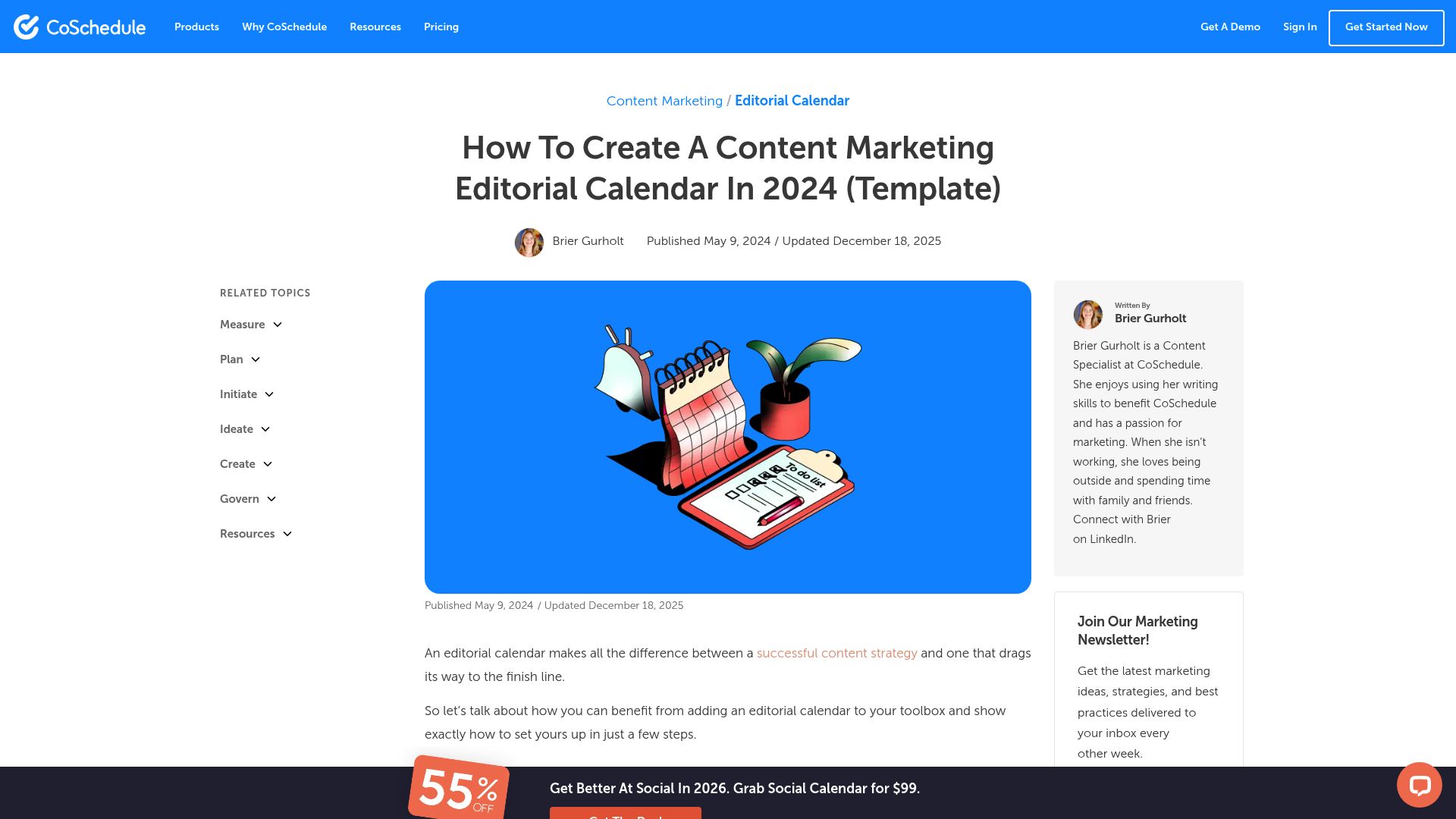
Above: The RobotSpeed Automated Content Calendar in action.
An agency is going to charge you by the word or by the article. With an automated tool, you can crank up your content production without blowing your budget.
That kind of volume is exactly what you need to become a trusted authority in your niche.
Integrating Other Marketing Channels
SEO does not exist in a vacuum. The best results come when it is integrated with other efforts.
If you're already running pay-per-click (PPC) ads, your SEO data is a goldmine that can make your ad spend smarter. Any keywords that are already bringing in sales through organic search are perfect candidates to double down on with paid ads.
Conversely, expensive ad keywords are great targets for your organic content strategy to safe money long-term.
The best agencies get this and offer an integrated approach. In a post on their blog, Bluehost recommends finding an agency that sees how SEO fits into the bigger picture of business growth, instead of just chasing rankings for the sake of it.
Making the Final Decision
Look, choosing an ecommerce seo agency is more like a marriage than a casual date. You're signing up to work with these people for months, if not years.
You have to trust your gut. If their sales pitch sounds slick but feels empty, walk away.
If they're trying to lock you into a 12-month contract before they've even run an audit, be very careful. The truly great partners are confident enough in their results to offer more flexible terms.
And always remember, you've got options. You can stick with the traditional route and hire a full-service agency, or you can lean into the future with AI-powered automation.
Honestly, for a lot of businesses in that $2M to $10M revenue sweet spot, a hybrid approach often makes the most sense. Use a consultant for high-level strategy, and use tools like RobotSpeed to handle the heavy lifting of content creation and link building.
This approach gives you the best of both worlds: human strategic oversight and machine-level efficiency.
Conclusion
The landscape of e-commerce is more competitive than ever. You cannot afford to be invisible on Google.
Whether you decide to hire a top-tier ecommerce seo agency or utilize powerful automation tools, the key is action. Stagnation is the enemy. Every day you wait is a day your competitors are stealing your potential customers.
Take the time to vet your options. Ask the hard questions.
Demand transparency. And if you are ready to see how automation can deliver results 40x faster than traditional methods, we invite you to explore what we are building here.
Ready to take control of your rankings?
Check out our Competitor & Site Analysis for free today and see exactly where opportunity lies for your store.
Frequently Asked Questions
How much should I really be spending on an e-commerce SEO agency?
For a solid, reliable agency, you should budget for somewhere between $2,000 and $5,000 a month. You'll see cheaper options out there, but they often just don't have the technical chops to handle a complex online store. As an alternative, automation tools like RobotSpeed give you that high-level execution for around $99/month.
What's the real difference between WordPress SEO and Shopify SEO?
The core ideas are the same, but how you actually do things is totally different. Shopify's URL structure is pretty rigid, and it uses "collections" where WordPress has categories. This means you need special workarounds for things like canonical tags to avoid duplicate content, issues that WordPress handles in a completely different way.
How long until I actually see results?
Let's be real: SEO is a marathon, not a sprint. You'll typically start to see some positive movement in your rankings within 3 to 6 months. The real, significant impact on your revenue usually starts to show up somewhere between the 6 and 12-month mark, as long as you've been consistent with the strategy.
Can I just do e-commerce SEO myself?
Absolutely, but it's a huge time-sink. You've got to become a pro at keyword research, technical audits, content writing, and a dozen other things. That's where tools like RobotSpeed come in.
We built it specifically to help business owners get this stuff done efficiently by automating all the tedious manual work.