To scale SEO with AI tools, build a 5-stage pipeline that produces publish-ready articles in under 8 minutes per piece.
- Most teams hit bottlenecks at editing, not writing. AI speed means nothing without workflow architecture.
- The 8-minute benchmark separates flexible operations from expensive content experiments.
- Pipeline stages: research, brief, draft, refine, and publish, each with dedicated AI automation.
Your AI writing tool generates a draft in 47 seconds. Then what?
Someone spends three hours fact-checking, reformatting, adding internal links, fixing the tone, and uploading to WordPress. The math doesn't work.
Teams actually scaling to 100-500 pages monthly produce publish-ready articles in 8 minutes flat, not through faster prompts, but through end-to-end orchestration that handles research, drafting, optimization, and CMS upload as one automated sequence.
This is the dirty secret of how to scale SEO with AI tools: the bottleneck was never writing speed. It is everything that happens before and after the draft exists.
Teams buy Claude or ChatGPT expecting to 10x their output, then wonder why they're still publishing the same four articles per month and burning twice the budget on revisions.
The difference between teams publishing 25-60 articles monthly and those stuck at 4 isn't better prompts or fancier models. It's workflow architecture, the unsexy operational layer that determines whether AI acceleration actually compounds or just creates expensive chaos.
What follows is the exact pipeline structure that turns a 3-person team into a content operation that outpaces agencies with 15 writers.
What you'll learn
- Why standalone writing tools never break the four-article ceiling
- How Automated Research and Keyword Clustering Compress Days Into Minutes
- Stage 3: Content Generation with Quality Thresholds That Actually Work
- Stages 4-5: Automated Publishing and the Refresh Loop Most Teams Skip
- What Other SEO Teams Will Never Tell You About AI Content at Scale
Why AI Writing Tools Alone Never Scale Past Four Articles Per Month
Manual content teams average four articles monthly. Add ChatGPT or Claude to the mix, and most still plateau at that same number. The writing itself was never the bottleneck. Research fragmentation, inconsistent briefs, manual publishing friction, and missing feedback loops eat up the hours that faster drafting supposedly freed. Teams with full automation pipelines publish 25 to 60 articles monthly because they cracked the workflow architecture problem, not the word generation problem.
A single RobotSpeed article takes 8 minutes end-to-end. A human writer producing equivalent 2,000-word SEO content needs roughly 6 hours. Yet most teams using standalone tools still hit walls, because they manually handle keyword clustering, brief creation, optimization passes, and CMS uploads. Each handoff introduces delays, and each delay compounds across dozens of intended pages.
The shift happening now moves beyond writing assistance toward complete pipeline automation. The five-stage sequence that separates scaling teams from stuck ones follows a precise flow: research → cluster → draft → optimize → publish → refresh. Programmatic SEO workflows combine structured keyword data, templates, and publishing automation. Automation tools like n8n connect keyword data, LLM generation, and CMS publishing into repeatable workflows that run without manual handoffs. RobotSpeed users operating inside this framework average $2.50 per article, including research, writing, humanization, and image generation. That cost efficiency only materializes when every stage connects without manual intervention between them.

How Automated Research and Keyword Clustering Compress Days Into Minutes
The bottleneck in scaling SEO with AI tools is not the writing speed but the fragmented research and manual publishing processes that consume big time.
Manual keyword research devours entire workweeks. Teams export spreadsheets, cross-reference competitor rankings, debate search intent, and still miss half the opportunities hiding in long-tail variations. The bottleneck isn't effort; it's the sequential nature of human analysis. Automated research pipelines flip this constraint entirely, processing thousands of keyword permutations while you finish your morning coffee.

The proven framework begins with 20-50 head terms relevant to your core offering. From there, AI systems expand each seed into topic clusters, grouping by search intent rather than surface-level similarity. Take 'project management software' as an example. That single head term branches into distinct keyword variations, each demanding a different content approach: 'best project management software for small teams' carries commercial intent, the searcher is comparing options before purchase. 'What is project management software' signals informational intent, they need education, not a sales pitch. 'Asana vs Monday project management' reflects navigational-comparative intent, they're weighing specific solutions. 'Free project management software download' combines transactional and informational signals. Structured inputs from product features, pricing data, and customer reviews feed the expansion logic, ensuring clusters reflect actual business value rather than arbitrary volume metrics.
Raw keyword lists mean nothing without ruthless prioritization. The filtering threshold that separates scalable opportunities from time sinks is keyword difficulty below 30 and monthly search volume above 50. This combination identifies terms where ranking is achievable without requiring months of authority building while still delivering meaningful traffic. For teams exploring 2. How Automated Research And Keyword Clustering Compress Days Into Minutes3]], this filter becomes the foundation of all content decisions.
Google Search Console integration closes the feedback loop. Real performance data, actual clicks, impressions, and position changes, flow back into the research system, automatically surfacing which clusters deserve expansion and which need pruning. Without this connection, you're optimizing blindly. With it, every new content batch builds on verified traction rather than theoretical projections. The compression ratio speaks for itself: what previously consumed three to five analyst days now completes in under an hour, with higher accuracy and zero spreadsheet fatigue.
Stage 3: Content Generation With Quality Thresholds That Actually Work
The quality floor separating winners from penalties: minimum 500 words unique content per page AND 30% differentiation between similar pages. These aren't arbitrary numbers, they're the thresholds that determine whether Google's helpful content system sees your scaled program as a valuable resource or a spam farm.
Why 500 words minimum? Thin pages signal low effort. Why 30% differentiation? Because anything less triggers near-duplicate detection, and your pages start competing against each other instead of ranking. Teams publishing 100+ pages monthly without penalties have internalized this rule: each page must earn its existence through genuine differentiation, not just keyword variation.

RobotSpeed achieves this through template rotation and dynamic content blocks that pull from structured knowledge bases rather than rephrasing the same paragraph. The cost structure makes this viable: $2.50 per article including research, writing, humanization, and image generation. At that price point, you can afford to generate variations and test which templates perform. Compare that to agency rates of $150-$500 per article, where experimentation becomes prohibitively expensive.
AI detection concerns are legitimate but often overblown. The RobotSpeed V42 humanizer reduces AI detection scores by 35% on Winston AI through surgical sentence rewriting and marker injection. That's not "undetectable", it's a meaningful reduction that, combined with quality signals like original research integration and specific examples, keeps your content on the right side of algorithmic review.
RobotSpeed tip: Before scaling to 200 pages, run a 50-page controlled test. Monitor indexing rates and early ranking signals for two weeks. Only scale templates showing traction; prune the rest ruthlessly.
When evaluating 2. How Automated Research And Keyword Clustering Compress Days Into Minutes6]], prioritize differentiation capabilities over raw output speed. The platforms that win long-term enforce quality thresholds automatically, not those promising unlimited volume without guardrails.
Stages 4-5: Automated Publishing and the Refresh Loop Most Teams Skip
Publishing bottlenecks kill more SEO programs than bad content ever will. Teams generate dozens of optimized drafts, then watch them rot in Google Docs while someone manually formats each piece for WordPress. That difference compounds across 200 monthly pages into either a scalable operation or a staffing nightmare.
RobotSpeed pushes to WordPress, Wix, Shopify, Webflow via API, complete with metadata, featured images, and internal links. No manual formatting. The system handles schema markup, alt text generation, and category assignment on its own. This cuts the three hours of post-production work that typically follows every "finished" draft. When you explore 2. How Automated Research And Keyword Clustering Compress Days Into Minutes7]], publishing automation is precisely what separates experimental tools from production-ready systems.
Content calendar automation holds a consistent publication cadence without adding headcount. Instead of sporadic bursts followed by weeks of silence, automated scheduling spreads your 25-60 monthly articles across optimal publishing windows. The system queues content based on topic clusters, seasonal relevance. And competitive timing, keeping your site signaling freshness to search engines continuously rather than in erratic spikes.
Most teams celebrate hitting publish and move on. Meanwhile, their six-month-old pages quietly bleed rankings as competitors update, search intent shifts, and information ages. Content refresh workflows catch decay before traffic drops show up in monthly reports. The approach is simple: monitor ranking changes through GSC integration, flag pages dropping below position thresholds. Queue automatic content updates with fresh data, and republish with updated timestamps and expanded sections. This turns static content libraries into living assets. Teams running continuous optimization cycles hold ranking positions that one-and-done publishers surrender within months. At $2.50 per article including research, writing, humanization, and image generation, refreshing existing pages delivers stronger ROI than constantly chasing new keywords. The 8 minutes end-to-end versus 6 hours manual production time means refresh cycles that would need dedicated staff become background operations.
What Other SEO Teams Will Never Tell You About AI Content at Scale
Teams publishing 200 pages monthly share one uncomfortable truth that rarely makes it into case studies: the catastrophic failure mode isn't AI detection, it's Google consolidating your 50 carefully crafted pages into three indexed results. I've watched this happen to programmatic SEO campaigns where the team celebrated hitting publish, then watched their Coverage report in Google Search Console reveal "Duplicate, Google chose different canonical" eating 80% of their URLs.
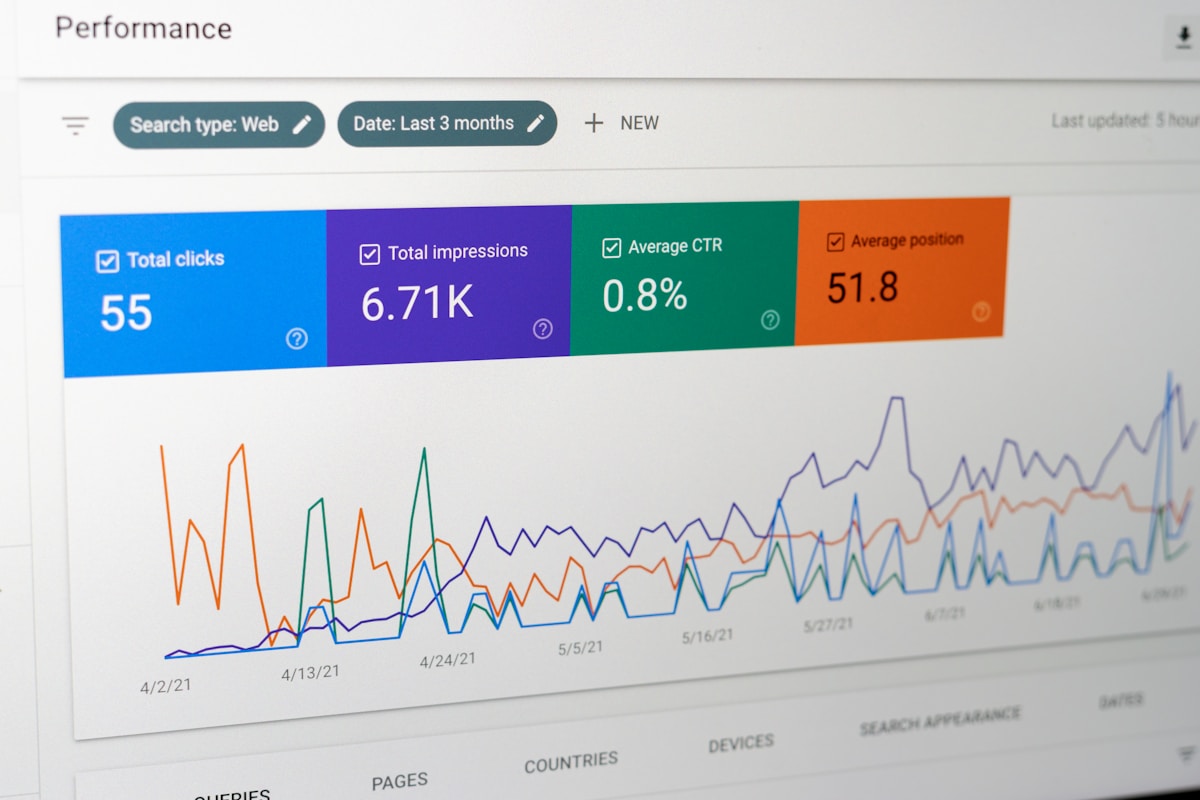
Here's how to spot the consolidation pattern before it tanks your campaign: open GSC, navigate to Pages → Not indexed, and filter for "Crawled - currently not indexed" plus "Duplicate without user-selected canonical." If more than 15% of your programmatic pages land in either bucket within the first indexing cycle, you've got a differentiation problem that no amount of internal linking will fix. The algorithm has decided your pages are interchangeable variants, not distinct ranking opportunities.
The operational mistakes that trigger this aren't mysterious, they're predictable. First: feeding your AI identical structured data across page variants. When every "best [product] in [city]" page pulls from the same product database without location-specific reviews, pricing variations, or regional context, the output converges. Second: skipping the knowledge base architecture entirely. Teams that copy-paste the same brief template and expect AI to manufacture differentiation discover the hard way that identical inputs produce statistically identical outputs. Third: batch-publishing 100+ pages in a single week without staggering. Google's crawl patterns treat sudden content explosions as a spam signal worth investigating, especially when the content fingerprints look similar.
The penalty patterns worth watching aren't the headline-grabbing core updates. They're the quiet demotion signals: a gradual decline in impressions for your programmatic pages while your editorial content holds steady. Check your GSC Performance report with a regex filter isolating your templated URLs. If those pages show declining clicks while your blog posts maintain trajectory, the algorithm has made a judgment about content value that won't appear in any official announcement. The teams using RobotSpeed's GSC integration catch this early because they're monitoring performance data feeding back into their research cycle, not publishing blindly and hoping.
Refresh cycles matter more than initial publish velocity, and this is where most scaled operations fail silently. Publishing 100 pages in week one then abandoning them produces worse long-term results than publishing 25 pages monthly with quarterly content updates. One pattern I've seen repeatedly: teams hit their initial traffic goals, declare victory, then watch rankings erode over six months as competitors publish fresher variations. The teams winning at scale treat their content library like software deployment, continuous monitoring, continuous improvement, continuous accountability for what actually performs versus what merely exists.
The Math: Cost-Per-Article Benchmarks for 100-500 Pages Monthly
Agency content runs between $150 and $500 per article. Freelance rates hover in the same range for quality SEO work. At those prices, a 200-page monthly program costs between $30,000 and $100,000. The math kills most scaling ambitions before they start.
RobotSpeed flips the economics entirely. The Starter plan delivers 30 articles monthly for $99, landing at $3.30 per piece, making it ideal for testing programmatic approaches. The Growth plan bumps output to 80 articles for $249, dropping the unit cost to $3.11 each and suiting established content calendars. The Scale plan pushes to 200 articles at $599, which works out to roughly $2.99 per article including research, writing, humanization, and image generation, built for aggressive publishing programs.
The same volume through AI orchestration costs under $400 compared to agency alternatives. That difference funds additional content, link building, or technical SEO work. For teams exploring 3. Stage 3: Content Generation With Quality Thresholds That Actually Work0]], this cost structure changes what is strategically viable. The ROI calculation hinges on one factor: does the content actually rank? Value materializes when AI handles high-volume repetitive work while humans focus on strategy and quality thresholds. The subscription pays for itself if it saves even a few hours of specialist time monthly or allow more output without adding headcount.
RobotSpeed tip: Start with the Starter plan to validate your templates on 30 pages, then scale only the content types that show traction in Search Console within 60 days.
Building Your AI SEO Stack: The Knowledge Base Architecture
The difference between AI content that ranks and AI content that embarrasses you comes down to one thing: what you feed the system before it writes a single word. Teams publishing over 200 pages monthly don't use better prompts. They build structured knowledge bases that make every output grounded in real business data, not generic training patterns.

A battle-tested knowledge base requires five categories of structured data to produce content that competitors cannot replicate. Product features and specifications give the system the technical accuracy that generic outputs lack. Pricing information prevents the hallucinations that destroy credibility. Customer reviews provide authentic language patterns and objection-handling angles. Industry statistics anchor claims in verifiable reality. Competitor data reveals gaps your content can fill.
What this looks like in practice depends on your vertical. A legal services knowledge base includes bar requirements by jurisdiction, court-specific terminology, case outcome patterns, and client testimonial themes around responsiveness and case communication. An e-commerce knowledge base pulls product specifications, pricing tier structures, shipping policies, return rate data, and review sentiment analysis showing which features customers praise or criticize most frequently.
RobotSpeed serves clients across 12 industries, including SaaS, e-commerce, legal, real estate, insurance, health, and professional services. The template adaptability across these verticals works precisely because each client's knowledge base contains industry-specific terminology, compliance requirements, and customer pain points that generic models cannot access.
The most effective knowledge bases pull from sources your competitors ignore: Google Business Profile data including Q&A patterns and review themes, CRM records showing actual customer language and purchase triggers, analytics data revealing which existing content drives conversions, and support tickets exposing the questions your audience actually asks. This approach transforms the pipeline from a generic writing assistant into a system that sounds like your brand because it learned from your actual customer interactions. The setup takes hours initially, but every article afterward carries that contextual depth automatically.
Frequently Asked Questions
What is the minimum team size needed to scale SEO with AI tools?
One person. Seriously. With the right AI pipeline, a single marketer can manage what used to require a five-person content team. The bottleneck shifts from production capacity to strategic oversight. You need someone who understands keyword intent and can quality-check outputs, not an army of writers. At RobotSpeed, we have seen solo founders publish more than 50 articles monthly while holding down their day jobs.
How do you maintain content quality when publishing over 100 articles per month?
Tiered review systems. Not every article needs the same level of scrutiny. High-competition keywords get manual editing passes. Long-tail informational pieces go through automated quality checks for readability, factual grounding, and brand voice consistency. The trick is building quality gates into your pipeline rather than reviewing everything with equal intensity. Batch similar articles together for faster pattern recognition during review.
What keyword difficulty threshold should you target for programmatic SEO?
Under 30 for new domains. Under 50 if you have established authority. But here's what most guides miss: difficulty scores can be misleading. A 25 keyword dominated by Reddit threads is easier than a 15 term where every result is a government site. Check the actual SERP composition before committing resources. We target keywords where at least three top-ten results come from sites with lower domain authority than ours.
How long does it take to set up an AI SEO pipeline from scratch?
Two to four weeks for a functional system. Three months before it runs smoothly without constant oversight. Week one covers tool selection and integration. Week two handles prompt engineering and quality calibration. Weeks three and four involve publishing workflows and performance tracking setup. The real learning curve hits around month two when you start optimizing based on actual ranking data rather than assumptions.
Can AI-generated content rank as well as human-written content?
Yes, when properly grounded in research and optimized for intent. Google does not penalize AI content. Google penalizes thin, unhelpful content regardless of who or what wrote it. The articles ranking on page one right now include plenty of AI-assisted pieces. The difference maker is whether the content answers the query better than alternatives. We have seen AI articles outrank established competitors within 60 days when they nail search intent and include original data points.
What happens if Google detects AI content on your site?
Nothing, unless the content is garbage. Google explicitly stated in their February 2023 guidance that AI content is not against their policies. What triggers penalties is mass-produced content that adds no value, regardless of the production method. The March 2024 core update targeted sites with hundreds of thin pages, not sites using AI thoughtfully. Focus on helpfulness metrics: time on page, scroll depth, and return visits. Those signals matter far more than detection anxiety.
How To Scale SEO With AI Tools: The Pipeline Beats The Prompt
Pipeline automation changes the math entirely. When research, clustering, generation, and publishing run as one system, your three-person team operates like fifteen.
Hit the $5 cost-per-article ceiling AND the 30% differentiation floor, the ROI compounds monthly. Miss either threshold and you're producing expensive noise that Google ignores.
Your next move is specific. Audit your current workflow this week and map every manual step from keyword discovery to published article.
The bottlenecks you find aren't where you think they are.
RobotSpeed automates the entire chain from research to publication for $99 per month.
Start your free site analysis to see exactly where your current process bleeds time.
Small teams with smart systems outrank enterprise competitors every quarter. Yours can too. (Voir aussi : Unsplash) (Voir aussi : Tech Daily) (Voir aussi : Unsplash) (Voir aussi : ways to hack your seo with AI) (Voir aussi : Markus Winkler) (Voir aussi : Unsplash) (Voir aussi : how to choose an AI content platform) (Voir aussi : free AI seo tools) (Voir aussi : Justin Morgan) (Voir aussi : Unsplash) (Voir aussi : future of SEO with AI automation) (Voir aussi : Jud Mackrill) (Voir aussi : Unsplash)