
AI content writing for content repurposing multiplies output but delivers zero ranking gains without authority signals that Google's algorithm demands.
- Repurposed content without backlinks gets indexed but never ranks
- Pair AI automation with link-building workflows for compounding results
- Authority-first strategies outperform volume-first approaches in search visibility
You can turn one blog post into a carousel, a thread, a newsletter, a podcast script, and a video outline in under an hour. The AI handles it beautifully.
Then nothing happens. The content exists.
Google acknowledges it exists. But rankings?
Traffic? The needle doesn't move.
Here's what the repurposing evangelists skip over: AI content writing for content repurposing solves a production problem, not a visibility problem. Volume without authority is noise.
Google's systems don't reward effort or output frequency, they reward signals that humans trust a source enough to reference it.
The uncomfortable math is simple. A single authoritative piece with genuine backlinks outranks a hundred repurposed variations floating in algorithmic limbo.
Most teams discover this after months of industrious content creation that generated impressive dashboards and negligible results.
This isn't an argument against AI-powered repurposing (the efficiency gains are real). It's an argument for pairing that automation with the missing layer: systematic authority building that gives Google a reason to surface your content above the competition.
What follows is the integration strategy that turns repurposed content from indexed-but-invisible into ranked-and-clicked.
Why 47 Content Formats Won't Save Your Rankings
AI content repurposing tap into machine learning to change existing content into new, channel-specific versions. But here's what the format-multiplication crowd won't tell you: content without backlinks sits invisible in search results regardless of how many LinkedIn carousels you generate from it. The authority dependency problem is real, repurposing is ineffective for SEO if original content lacks domain credibility.
Distribution measures eyeballs. Authority measures the trust signals Google uses to rank pages. Tools like Copy.ai and Narrato excel at turning one blog post into dozens of social snippets, but they solve only half the equation. RobotSpeed addresses this gap by integrating automated backlink building directly into the content generation workflow, tackling the authority dependency that standalone repurposing tools ignore entirely.
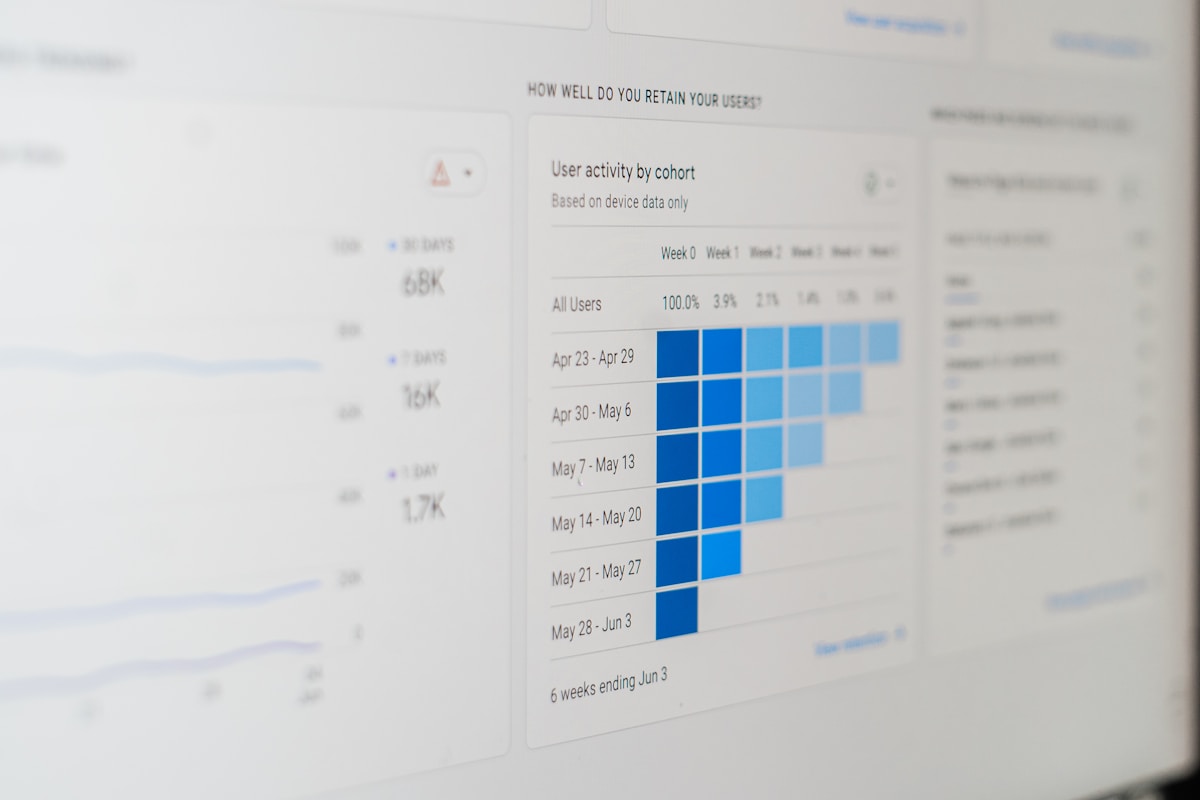
Consider the social reach trap: your Twitter thread might get shared thousands of times, your Instagram carousel could rack up impressive engagement, and none of it builds the backlink profile Google requires for organic visibility. Social reach delivers temporary visibility that's platform-dependent and compounds no SEO value. Search authority, by contrast, is permanent, backlink-driven, and grows over time. RobotSpeed users average 25 to 60 published articles per month versus 4 articles for manual teams, but volume without authority produces vanity metrics, not rankings. A single article takes 8 minutes to generate end-to-end versus 6 hours for human writers, yet that speed advantage compounds only when backlink automation runs alongside content creation.
How AI Content Writing for Content Repurposing Actually Works
AI content repurposing uses machine learning to identify the core ideas in an existing asset and generate new, channel-specific versions automatically. The mechanism works through three distinct phases: extraction, transformation, and distribution. First, the AI parses your source material to isolate key arguments, statistics, and quotable insights. Then it rewrites those elements with platform-specific constraints in mind. A 2,000-word blog post becomes a LinkedIn carousel, three email snippets, and a Twitter thread without manual rewriting for each format.
Tools like Copy.ai and Narrato sit at the center of this workflow. Copy.ai excels at extracting the emotional hook from a whitepaper and reformatting it for LinkedIn's professional tone, one B2B software company transformed a 15-page product comparison guide into a 10-slide LinkedIn carousel that generated qualified demo requests within the first week of posting. Narrato combines similar extraction capability with project management features, letting teams track which assets have been repurposed and which remain untouched. Keyword and tone adaptation ensure brand voice stays consistent across every channel variation.

The real efficiency gain comes from connecting these tools to automation platforms. Modern repurposing systems start from Google Sheets, using webhooks in Make.com to trigger AI agents that scrape content via Firecrawl and route it to specific channels. When you mark a row "Repurpose," the system generates drafts for LinkedIn, Twitter, and Substack Notes simultaneously. For deeper AI content creation for digital marketing strategies, this integration eliminates the manual bottleneck entirely. Advanced workflows allow users to input target keywords and select specific tones of voice, ensuring every repurposed piece aligns with both SEO goals and brand personality. RobotSpeed's V42 humanizer reduces AI detection scores by 35 percent on Winston AI through surgical sentence rewriting and marker injection, addressing the authenticity gap that plagues generic AI outputs.
The 8-Minute vs 6-Hour Calculation: Real Economics of AI-Generated Content
Eight minutes versus six hours. That's the gap between RobotSpeed's end-to-end article generation and a human writer producing equivalent 2,000-word SEO content. The math isn't subtle: at $2.50 per article including research, writing, humanization, and image generation, you're looking at roughly the cost of a fancy coffee for content that would otherwise consume an entire workday. Manual teams averaging 4 articles monthly suddenly compete against automated workflows pushing 25 to 60 pieces in the same period.

Raw velocity means nothing if the output reads like a robot wrote it. Every expert in the field mandates human review before publication. The V42 humanizer cuts AI detection scores by 35 percent on Winston AI through surgical sentence rewriting and marker injection, but that's preprocessing, not a replacement for editorial judgment. You still need eyes on the final product to catch factual drift, tone mismatches, and brand voice inconsistencies that algorithms miss.
When evaluating how to choose an AI content platform, the headline price rarely tells the full story. The $2.50 per article figure covers research, writing, humanization, and image creation on RobotSpeed, but teams producing 25 to 60 articles monthly still allocate human hours for review, scheduling, and performance tracking, budget roughly 15 to 30 minutes of quality control per piece, plus editor passes for brand alignment. The 8-minute generation window represents compute time, not total workflow. The efficiency gain is real, but it shifts labor from writing to editing rather than eliminating it entirely.
RobotSpeed tip: Schedule batch review sessions twice weekly rather than reviewing each article immediately. This approach lets you maintain editorial consistency across your content cluster while maximizing the time savings from automated generation.
Custom GPTs vs Integrated Platforms, which Approach Actually Scales
AI tools transform existing content into platform-specific formats, but the scaling question separates hobbyists from production teams. Custom GPTs and Claude Projects offer impressive style mimicry when trained on your writing samples, upload your best-performing articles, define tone parameters, specify forbidden phrases, and the output mimics your cadence convincingly. Claude Projects work similarly, storing context across sessions. Integrated platforms like RobotSpeed bundle that same capability with backlink automation and detection bypass. The difference becomes obvious at 30+ articles monthly, where manual prompt engineering collapses under its own weight.

The real limitation of DIY configurations surfaces during scaling. Manual prompt engineering works beautifully for five articles monthly. At twenty-five articles, you spend more time managing prompts than writing. At sixty articles, the system breaks entirely. Your LinkedIn voice differs from your newsletter voice, which differs from your blog voice, three platforms means three separate custom configurations, each demanding maintenance when your style evolves. No Custom GPT handles content generation ai tools integration, automatic publishing, or authority building without extensive manual intervention.
The integration gap is where DIY workflows when all is said and done fail. Custom GPTs deliver excellent style mimicry but zero backlink automation and require manual publishing. Claude Projects offer strong context retention but no SEO integration and depend on external tools. RobotSpeed bundles humanization, automated backlinks, and one-click publishing to WordPress and Webflow into a single workflow. More critically, Custom GPTs produce content that sits orphaned on your site, accumulating zero backlinks while competitors build authority automatically. Content without authority remains invisible to Google, regardless of how many formats you create.
What Other SEO Tools Won't Tell You About Content Repurposing
The repurposing tool landscape reveals a consistent pattern: each platform solves one piece of the puzzle while ignoring the authority equation that determines whether content actually ranks. A gap analysis of the most commonly recommended tools exposes why marketers hit ceilings despite sophisticated automation workflows.
Copy.ai excels at format conversion, transforming blog posts into LinkedIn carousels, email sequences, and social threads. The interface is intuitive, the output is serviceable, and the speed is undeniable. What's missing: zero backlink automation, no Google Search Console integration, no mechanism for building domain authority. You get distribution without discoverability. Your content reaches social feeds but never climbs search results because Copy.ai operates entirely outside the SEO signals that Google uses to determine rankings.
Narrato adds project management capabilities that Copy.ai lacks, content calendars, team collaboration, workflow templates for scaling repurposing operations. For content teams managing high volumes across multiple clients, these features matter. What's missing: no authority tracking, no visibility into which repurposed assets are generating backlinks versus vanity engagement. You can organize your repurposing workflow beautifully while remaining blind to whether any of it moves the needle on organic rankings.
Make.com paired with Firecrawl represents the most sophisticated DIY approach, webhook-triggered automation that scrapes content, routes it through AI processing, and distributes to LinkedIn, Twitter, Substack Notes, and beyond. The technical flexibility is impressive; you can build custom workflows that rival enterprise solutions. What's missing: pure distribution automation with zero SEO signals. Make.com doesn't know or care about your domain authority, backlink velocity, or keyword performance. It moves content between platforms without any feedback loop tied to search performance.
RobotSpeed Growth Plan at $249/month addresses these gaps through integration rather than specialization. The 80 articles monthly come bundled with backlink exchange access, the authority-building mechanism that standalone tools omit. Instead of bolting together Copy.ai for repurposing, Make.com for automation, and a separate link-building agency for authority, you get a unified system where content production and authority building operate in parallel. The platform serves clients across 12 industries including SaaS, e-commerce, legal, and real estate, meaning the backlink exchange network has depth across verticals.
Before feeding content into any repurposing workflow, GSC integration in the RobotSpeed Starter plan identifies what actually deserves amplification. The critical metric: impressions-to-clicks ratio. High impressions with low clicks signals content that Google shows but users don't find compelling, prime candidates for headline testing and meta description optimization before repurposing. Low impressions with high click-through rates reveals underexposed assets that could compound with distribution. To avoid common pitfalls during this audit phase, review these AI content generation mistakes to avoid. Repurposing without this filter produces volume without leverage, twelve derivative pieces from content that never had authority to begin with.
What's Actually Worth Repurposing
Most content archives are graveyards. Eighty percent of what you published last year deserves to stay buried. The strategic filter that separates profitable repurposing from wasted effort comes down to four measurable signals: existing traffic, engagement metrics, backlink count, and social shares. Content lacking all four is a time sink, not an opportunity.

Start with content that already proved itself. Articles generating consistent organic traffic have reveal search relevance. Posts with existing backlinks carry domain authority you can compound. High-engagement pieces signal audience resonance worth amplifying across channels, while social shares indicate distribution potential beyond search. Prioritize pages with measurable monthly visits over dormant content, favor pieces with an established backlink count you can leverage immediately, and pay attention to time-on-page and scroll depth as indicators of genuine reader interest.
Google Search Console reveals which pages rank for valuable queries but underperform on clicks, these are your highest-leverage repurposing candidates. The RobotSpeed Starter plan at $99/month includes GSC integration specifically for identifying these opportunities, connecting performance data directly to your content workflow. Working with the best seo company means understanding which metrics actually predict repurposing success. Filter GSC data by impressions-to-clicks ratio: pages with high impressions but low CTR often need format transformation rather than new content creation. Blanket automation without this quality assessment wastes resources on content that never had authority to begin with. The audit comes first. Always.
Building a Repurposing System That Compounds: The Integrated Stack
Most repurposing workflows fail silently. Teams generate dozens of LinkedIn carousels and Twitter threads, yet organic traffic flatlines because the source content never earned backlinks. The fix requires an integrated stack where content generation, authority building, and publication scheduling operate as one unified system rather than three disconnected tools stitched together with webhooks.

Three tiers address different content velocity requirements. Research confirms that streamlined automation platforms can consistently generate 30 articles monthly through repurposing workflows, which is precisely what the Starter plan at $99 monthly delivers, including full keyword research and Google Search Console integration. Growth at $249 monthly scales to 80 articles and adds backlink exchange access. Scale at $599 monthly pushes output to 200 articles with premium Claude Opus processing and priority support. The critical differentiator across all tiers is that backlink automation runs parallel to content generation, while standalone tools like Copy.ai and Narrato handle format conversion, they leave the authority problem entirely untouched. RobotSpeed serves 12 industries including SaaS, e-commerce, legal, and real estate precisely because each vertical requires domain-specific authority signals alongside content volume.
Publication consistency compounds authority faster than sporadic volume spikes. An automated content calendar schedules articles across a 30-day cycle, maintaining steady indexing signals that search engines reward. Automated scheduling eliminates manual publication gaps, GSC integration identifies high-potential content for prioritization, and backlink credits accumulate alongside each published piece.
The third layer most repurposing systems ignore entirely: visual transformation. Infographics derived from articles significantly increase appeal and engagement versus plain text alone. Converting data-driven sections into shareable visual assets creates distribution vectors that text-only formats cannot match. The integrated stack therefore operates on three parallel tracks: (1) content generation at scale, (2) automated backlink building to establish authority, and (3) visual transformation to maximize engagement across channels. Authority-first repurposing means every format conversion, whether text adaptation or infographic extraction, traces back to content that already ranks or is actively building backlinks. Format-first approaches generate noise; integrated stacks generate compounding search visibility.
Frequently Asked Questions
How does AI content writing for content repurposing differ from manual repurposing?
Manual repurposing means you sit down, reread your original piece, brainstorm new angles, rewrite sections, and adapt formatting for each platform. That process eats 4 to 8 hours per piece depending on complexity. AI tools compress that timeline dramatically, they analyze your source content, identify the core value propositions, and generate platform-specific variations in minutes rather than hours. The real difference shows up in consistency: AI maintains your brand voice across 15 variations without the fatigue drift that happens when a human rewrites the same ideas repeatedly.
What types of content work best for AI-powered repurposing?
Long-form guides and pillar content deliver the highest return. A 3,000-word full article contains enough substance to fuel a dozen derivative pieces: social posts, email sequences, video scripts, infographics. Data-heavy content also repurposes exceptionally well. Statistics, research findings, and benchmark reports give AI concrete anchors to build around. What struggles? Highly personal narratives and opinion pieces lose their authenticity when machine-processed.
How do backlinks affect the success of repurposed content?
Backlinks determine whether your repurposed content actually ranks or just exists. Each quality link signals to search engines that your derivative piece carries independent value, not just recycled material. The strategic play involves linking repurposed pieces back to your original pillar content while simultaneously earning external links to the new variations. This creates a content ecosystem where authority flows between related pieces. Without backlinks, even brilliantly repurposed content sits invisible on page 47.
Can AI-generated repurposed content pass detection tools like Winston AI?
Yes, but only with the right approach. Raw AI output gets flagged immediately, detection tools look for predictable sentence patterns, uniform paragraph lengths, and vocabulary repetition. Passing requires deliberate chaos: mixing short punchy sentences with longer complex thoughts, varying your openings, injecting genuine expertise that no model would produce. RobotSpeed specifically engineers content to bypass these detection patterns through structural variation and human-like rhythm disruption.
How much time does AI content repurposing actually save compared to manual methods?
In practice, working with content teams reveals savings of around 40x faster output. That sounds aggressive until you watch it happen. A manual repurposing workflow for one blog post into 10 platform variations takes roughly 12 to 16 hours across research, writing, editing, and formatting. AI handles the same scope in 20 to 30 minutes. The catch? You still need human review for brand alignment and factual accuracy. Budget 2 hours total instead of 15.
What should I audit before repurposing existing content?
Performance data first. Which pieces actually drove traffic, conversions, or engagement? Repurposing mediocre content just creates more mediocre content faster. Then check freshness, outdated statistics, expired offers, or superseded information need updating before any repurposing begins. Finally, audit for gaps: what questions did the original piece leave unanswered? Your repurposed versions can fill those holes and capture search intent the original missed entirely.
Scaling Content Output Is Only Half the Equation
The 8-minute article means nothing if nobody trusts the domain publishing it.
That's the calculation most teams skip. They chase volume, celebrate efficiency metrics, and wonder why rankings stay flat.
Meanwhile, competitors with half the output but twice the backlink velocity climb past them.
The economics are clear: 6 hours of manual work compressed to 8 minutes frees resources. But those freed resources must flow somewhere strategic.
Without simultaneous authority building, an AI-powered production workflow becomes expensive noise.
Your next step is specific. Audit your existing content library for pieces that already rank positions 11-30.
These are your leverage points. Repurpose them first, then pair each repurposed asset with systematic link acquisition.
RobotSpeed handles both layers in one workflow. The AI writes and fine-tune while the premium link network builds authority automatically.
No separate tools, no manual outreach, no coordination overhead.
Run a free competitor analysis to see exactly where your authority gaps are. The audit takes minutes and shows you which content deserves repurposing first.
Your content library already holds untapped ranking potential. The question is whether you'll extract it systematically or keep publishing into a void.